
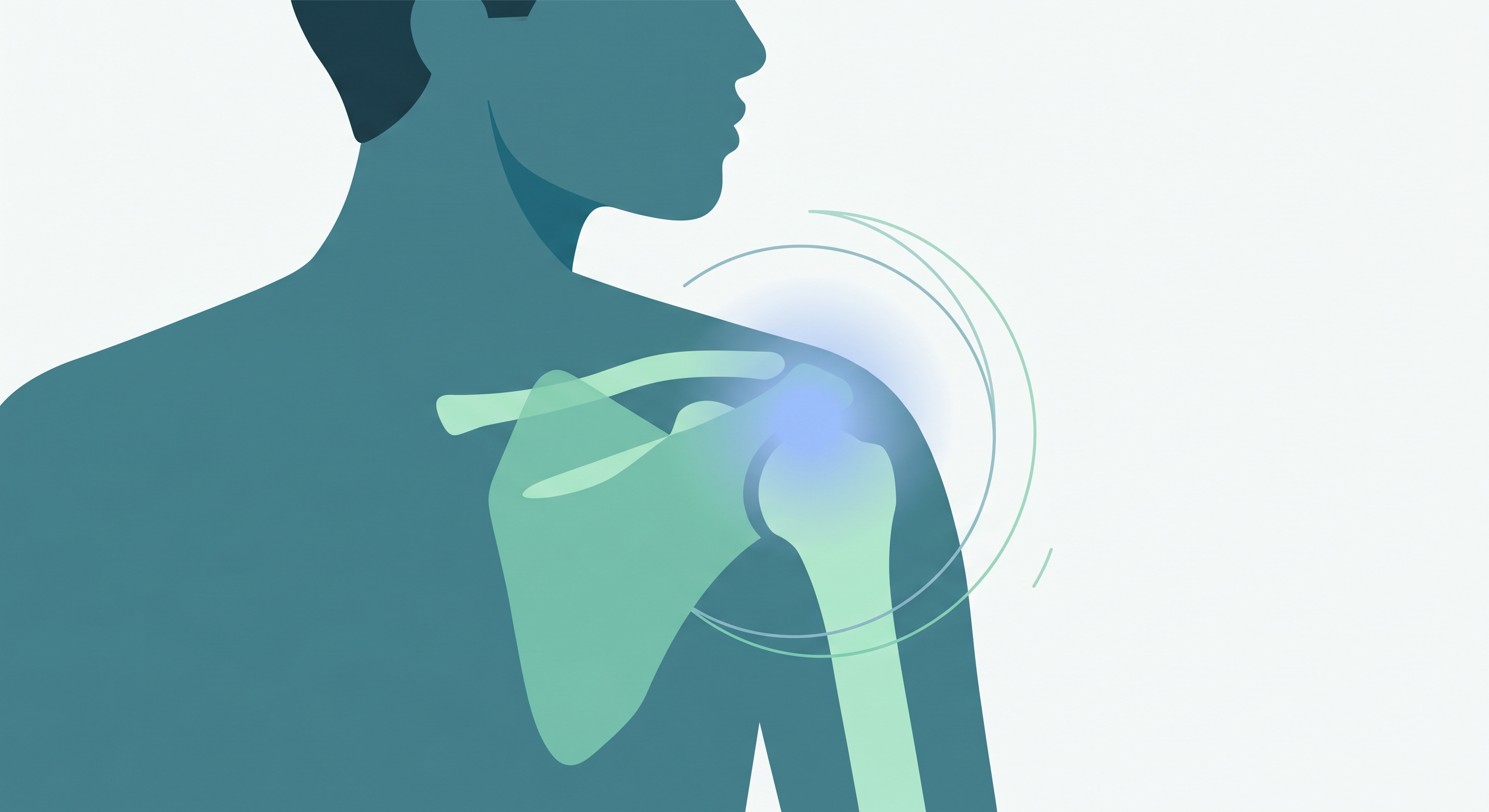
Subacromial Bursitis
Get Clear, Concise Answers to Your Top Questions About Subacromial Bursitis
Q1: What is Subacromial Bursitis?
Subacromial bursitis is an inflammation of the subacromial bursa. The bursa is a small, fluid-filled sac located in your shoulder, acting as a cushion between the bones (specifically the acromion, part of your shoulder blade) and the soft tissues, like your rotator cuff tendons. When this bursa becomes inflamed, it can cause pain, swelling, and limit your shoulder movement.
Q2: What causes Subacromial Bursitis?
It's often caused by repetitive overhead arm movements, which can create friction and irritation in the bursa. This is common in certain sports (like swimming or tennis) or occupations (like painting or construction). It can also be caused by a sudden injury, trauma to the shoulder, or underlying conditions such as rotator cuff tears, shoulder impingement, or certain types of arthritis.
Q3: What are the common symptoms?
Common symptoms include:
- Pain in the shoulder, especially on the outside or front.
- Pain that worsens with overhead activities or when lifting your arm.
- Pain that can radiate down the side of your arm.
- Pain that may be worse at night, especially when lying on the affected shoulder.
- Stiffness or reduced range of motion in the shoulder.
- Tenderness to the touch around the shoulder.
- Sometimes, swelling and warmth in the affected area.
Q4: How is Subacromial Bursitis diagnosed?
Your doctor will typically diagnose subacromial bursitis through a thorough physical examination, which includes assessing your shoulder's range of motion, strength, and tenderness. They may also order imaging tests such as X-rays, ultrasound, or MRI to confirm the diagnosis, rule out other conditions like rotator cuff tears, and check for any bone abnormalities.
Q5: What are the non-surgical treatment options?
Most cases of subacromial bursitis respond well to non-surgical treatments. These include:
- Rest: Avoiding activities that worsen your pain, especially overhead movements.
- Ice: Applying ice packs to the affected area for 15-20 minutes several times a day to reduce pain and swelling.
- Medication: Over-the-counter non-steroidal anti-inflammatory drugs (NSAIDs) like ibuprofen or naproxen can help reduce pain and inflammation.
- Physical Therapy: Specific exercises to improve shoulder strength, flexibility, posture, and movement patterns.
- Corticosteroid Injections: A doctor may inject a steroid medication directly into the bursa to reduce severe inflammation and pain. The effects can be temporary, but it can provide significant relief.
Q6: When is surgery considered for Subacromial Bursitis?
Surgery is usually considered only if non-surgical treatments haven't provided relief after several months (typically 6-12 months) and symptoms continue to significantly impact your daily life. It's often performed when there are other underlying issues like a persistent impingement or a rotator cuff tear.
Q7: What does surgical procedure involve (if applicable)?
If surgery is needed, it's typically performed using an arthroscopic technique. This involves making small incisions around your shoulder and inserting a tiny camera and instruments. The surgeon can then remove the inflamed bursa (bursectomy) or create more space for the rotator cuff tendons by shaving a small amount of bone from the acromion (acromioplasty). This minimally invasive approach usually leads to less scarring and faster recovery.
Q8: What are the potential risks of surgery?
While arthroscopic surgery is generally safe, potential risks include:
- Infection (rare)
- Bleeding
- Stiffness in the shoulder
- Nerve or blood vessel injury (very rare)
- Complications from anesthesia
- Failure to improve symptoms as much as hoped
- Blood clots (DVT/PE)
Q9: What do I need to do before treatment/surgery?
Before any treatment, your doctor will discuss your medical history and current medications. If surgery is planned, you may need to:
- Stop certain medications, especially blood thinners, as advised by your doctor.
- Arrange for someone to drive you home after the procedure.
- Follow any specific instructions regarding food and drink before surgery.
- Attend pre-operative appointments to ensure you are healthy enough for the procedure.
- Begin pre-operative physical therapy or exercises if recommended.
Q10: What can I expect immediately after treatment/surgery?
Non-surgical: You may experience continued pain and stiffness, which will gradually improve with rest, medication, and physical therapy. Surgical: You will likely feel tired for several days. Your shoulder will be swollen and may have bandages over the incisions. You'll typically wear a sling for a period, as directed by your surgeon, to protect the shoulder and promote healing. Pain medication will be prescribed to manage discomfort.
Q11: How long is the typical recovery period?
The recovery time varies depending on the severity of your condition and the treatment approach.
- Non-surgical: Symptoms may begin to improve within a few days or weeks, but full recovery can take several weeks to months with consistent therapy and activity modification.
- Surgical: Initial recovery can take 2-6 weeks for most daily activities. Full recovery and return to strenuous activities or sports can take 3-6 months, or sometimes longer, depending on the extent of the surgery and your commitment to rehabilitation.
Q12: What does rehabilitation/physical therapy involve?
Physical therapy is crucial for recovery. It typically involves:
- Pain and Swelling Management: Using ice, gentle movements.
- Range of Motion Exercises: Gradually regaining full movement in your shoulder.
- Strengthening Exercises: Building strength in your rotator cuff and surrounding shoulder muscles.
- Stretching: Improving flexibility and preventing stiffness.
- Posture Correction: Learning proper body mechanics to reduce strain on your shoulder.
- Activity Modification: Learning how to perform daily tasks without over-stressing your shoulder.
Q13: How will pain be managed?
Pain can be managed with:
- Over-the-counter pain relievers like NSAIDs.
- Prescription pain medication after surgery.
- Ice packs.
- Rest and avoiding painful movements.
- Physical therapy exercises to restore normal movement and strength.
Q14: What can I do at home to help my recovery?
- Rest: Avoid activities that cause pain.
- Ice: Apply ice regularly, especially after activity or if pain increases.
- Medication: Take prescribed or over-the-counter medications as directed.
- Follow Exercises: Adhere strictly to your physical therapy exercise program.
- Sleep Position: You may find it more comfortable to sleep in a reclined position or with pillows supporting your arm.
- Avoid Overuse: Gradually increase your activity levels and avoid pushing through pain.
Q15: What signs or symptoms should I watch out for and report to my doctor immediately?
Contact your doctor immediately if you experience:
- Increased pain that isn't relieved by medication.
- Signs of infection (fever, increased redness, warmth, swelling, or pus draining from an incision).
- New or worsening numbness, tingling, or weakness in your arm or hand.
- Your arm or hand feeling cool or changing color.
- Your sling or bandage feeling too tight.
- Severe nausea or inability to keep fluids down.
- Sudden, severe shortness of breath or chest pain (could indicate a blood clot).
We encourage you to write down any specific questions you have and discuss them thoroughly with your surgeon, doctor, or physical therapist. They are your best resource for personalized advice and care.
Disclaimer: This brochure provides general information and is not a substitute for professional medical advice. Always consult your doctor or qualified healthcare provider with any questions you may have regarding your specific medical condition and treatment plan.

Related articles
Browse all articlesTrusted External Resources
Curated educational materials to help you make informed decisions about your orthopaedic bone & joint conditions.

Orthopaedia
Orthogate Patient Education