
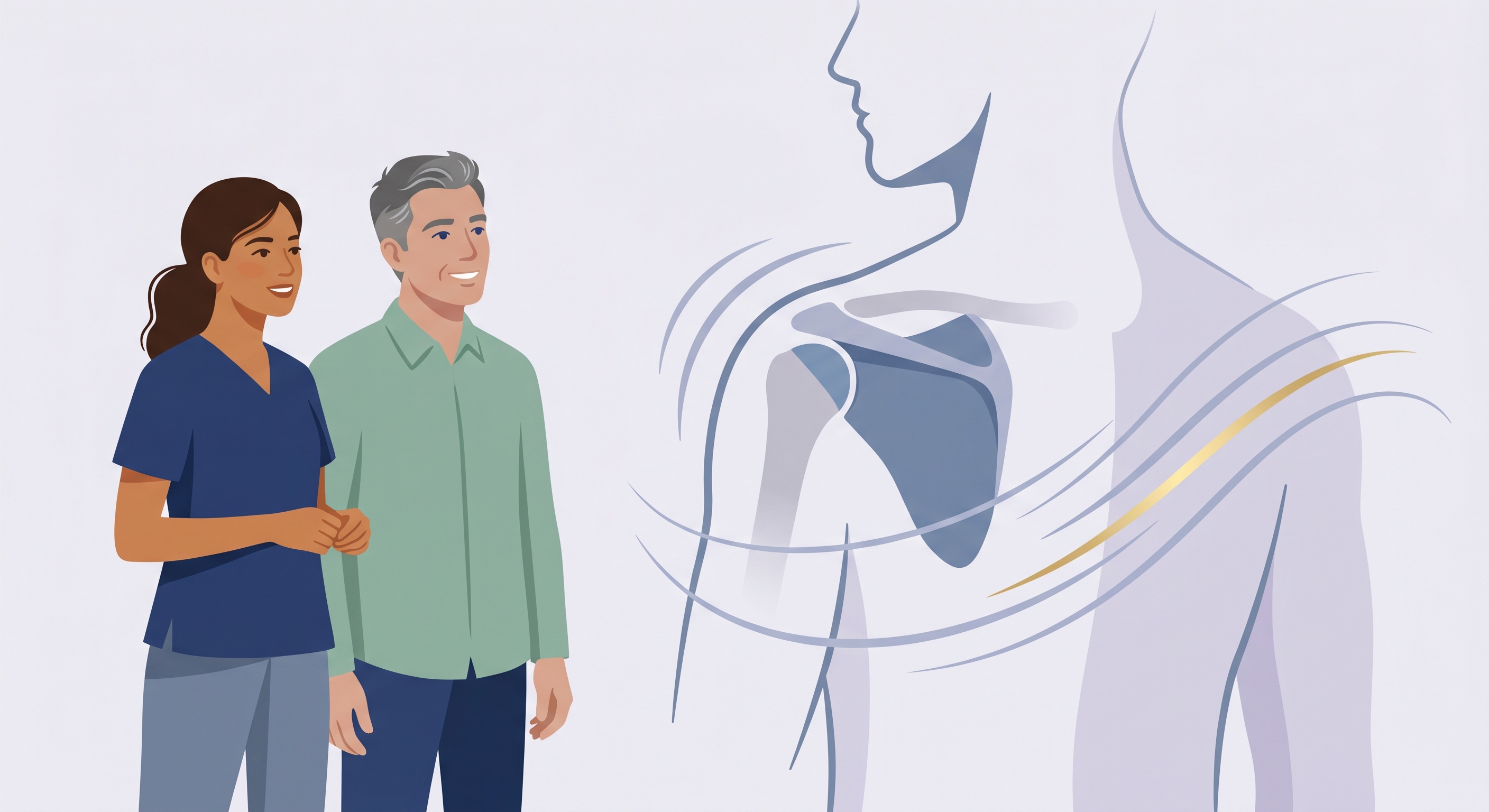
Snapping Scapula Syndrome
Get Clear, Concise Answers to Your Top Questions About Snapping Scapula Syndrome
Snapping Scapula Syndrome is a condition that causes a noticeable "snapping," "grinding," or "popping" sensation and sometimes pain around your shoulder blade (scapula) when you move your arm. This brochure will help you understand more about this condition and your treatment options.
Q1: What is Snapping Scapula Syndrome?
Snapping Scapula Syndrome is a condition where your shoulder blade (scapula) makes a snapping, grinding, or popping sound or feeling as it moves against your rib cage. This can be caused by friction between the bones or by inflamed soft tissues (like fluid-filled sacs called bursae) in the area.
Q2: What causes Snapping Scapula Syndrome?
It's often caused by:
- Overuse: Repetitive arm movements, common in sports like swimming, weightlifting, or baseball, can irritate the tissues.
- Poor posture or muscle weakness: Weakness in the muscles around the shoulder blade can cause it to move abnormally and rub against the ribs.
- Bone abnormalities: Sometimes, the shape of the scapula or ribs can contribute to the rubbing.
- Inflamed bursae: The fluid-filled sacs that cushion movement can become inflamed (bursitis).
- Trauma: A past injury to the shoulder blade or ribs.
Q3: What are the common symptoms?
The main symptoms include:
- An audible or palpable (you can feel it) snapping, grinding, or popping sensation around your shoulder blade.
- Pain, often a dull ache, along the underside or edge of the shoulder blade.
- The sensation may or may not be painful.
Q4: How is Snapping Scapula Syndrome diagnosed?
Your doctor will perform a physical exam, which includes checking your shoulder blade movement and listening for the snapping sound. They may also order imaging tests:
- X-rays: To check for bone abnormalities or fractures.
- MRI (Magnetic Resonance Imaging): To get a detailed look at the soft tissues, such as inflamed bursae.
Q5: What are the non-surgical treatment options?
Most cases of snapping scapula syndrome improve with non-surgical treatments. These include:
- Rest and activity modification: Avoiding activities that worsen your symptoms.
- Ice: Applying ice packs to reduce pain and swelling.
- Anti-inflammatory medications: Over-the-counter or prescription medications like ibuprofen to reduce pain and inflammation.
- Physical therapy: Exercises to strengthen the muscles around your shoulder blade, improve posture, and restore normal movement.
- Cortisone injections: A steroid injection into the inflamed bursa can reduce pain and inflammation.
Q6: When is surgery considered?
Surgery is usually considered only if non-surgical treatments haven't helped after several months, or if there's a specific bone abnormality causing the problem.
Q7: What does the surgical procedure involve?
If surgery is needed, it's often done using a minimally invasive technique called arthroscopy. Your surgeon will make small incisions and use a tiny camera to see inside. They may:
- Remove inflamed bursa (bursectomy): If an inflamed bursa is causing the snapping.
- Reshape or remove part of the scapula (partial scapulectomy): If a bone abnormality is the cause. Sometimes, an open incision may be needed for more complex bone removal.
Q8: What are the potential risks of surgery?
As with any surgery, there are risks, though they are generally low. These can include:
- Infection
- Bleeding
- Nerve damage (as there are nerves near the shoulder blade)
- Stiffness
- Persistent pain or snapping
Q9: What do I need to do before treatment or surgery?
Your doctor will provide specific instructions, but generally, you may need to:
- Discuss all your medications, including over-the-counter drugs and supplements, with your doctor.
- Follow any instructions regarding fasting before surgery.
- Arrange for transportation home after surgery.
- Prepare your home for easy movement during recovery.
Q10: What can I expect immediately after treatment or surgery?
- Non-surgical: You may experience some soreness after injections, but can generally resume light activities.
- Surgical: You will likely have some pain and swelling, which will be managed with medication. You may need to wear a sling for a few weeks to allow the tissues to heal.
Q11: How long is the typical recovery period?
- Non-surgical: Improvement can often be felt within a few weeks, but complete recovery and resolution of symptoms can take 3 to 6 months with consistent physical therapy.
- Surgical: Recovery typically takes 3 to 4 months. You will gradually progress through physical therapy to regain strength and motion.
Q12: What does rehabilitation/physical therapy involve?
Physical therapy is crucial for both non-surgical and surgical recovery. It will involve:
- Stretching exercises: To improve flexibility in the shoulder and surrounding muscles.
- Strengthening exercises: To build strength in the muscles that stabilize the shoulder blade, such as the serratus anterior, trapezius, and rhomboids.
- Posture correction: Learning to maintain good posture to reduce stress on the shoulder blade.
Q13: How will pain be managed?
Pain will be managed using:
- Over-the-counter pain relievers: Such as NSAIDs (ibuprofen, naproxen).
- Prescription pain medications: If needed, especially after surgery.
- Ice packs: To reduce swelling and numb the area.
- Physical therapy techniques: Which can help reduce pain over time.
Q14: What can I do at home to help my recovery?
- Follow your physical therapy exercises diligently. This is key to a successful recovery.
- Maintain good posture: Avoid slouching.
- Modify activities: Avoid movements that trigger your symptoms.
- Apply ice as recommended.
- Take medications as prescribed.
Q15: When can I expect to return to daily activities, work, driving, and sports?
This varies greatly depending on the severity of your condition, the type of treatment, and your individual progress.
- Daily activities: Light daily activities can usually resume within a few days to weeks.
- Driving: Typically, you can resume driving once you are off strong pain medication and have regained enough movement and control, usually a few weeks after surgery.
- Work: Return to work depends on the physical demands of your job. Light desk work may be possible sooner than jobs requiring heavy lifting or repetitive arm movements.
- Sports: A gradual return to sports, especially those involving overhead movements, can take several months, often 3 to 6 months after surgery and successful rehabilitation. Your physical therapist and doctor will guide you on when it's safe to return to specific activities.
We encourage you to write down any specific questions you have and discuss them thoroughly with your surgeon, doctor, or physical therapist. They are your best resource for personalized advice and care.
Disclaimer: This brochure provides general information and is not a substitute for professional medical advice. Always consult your doctor or qualified healthcare provider with any questions you may have regarding your specific medical condition and treatment plan.

Related articles
Browse all articlesTrusted External Resources
Curated educational materials to help you make informed decisions about your orthopaedic bone & joint conditions.
Orthopaedia
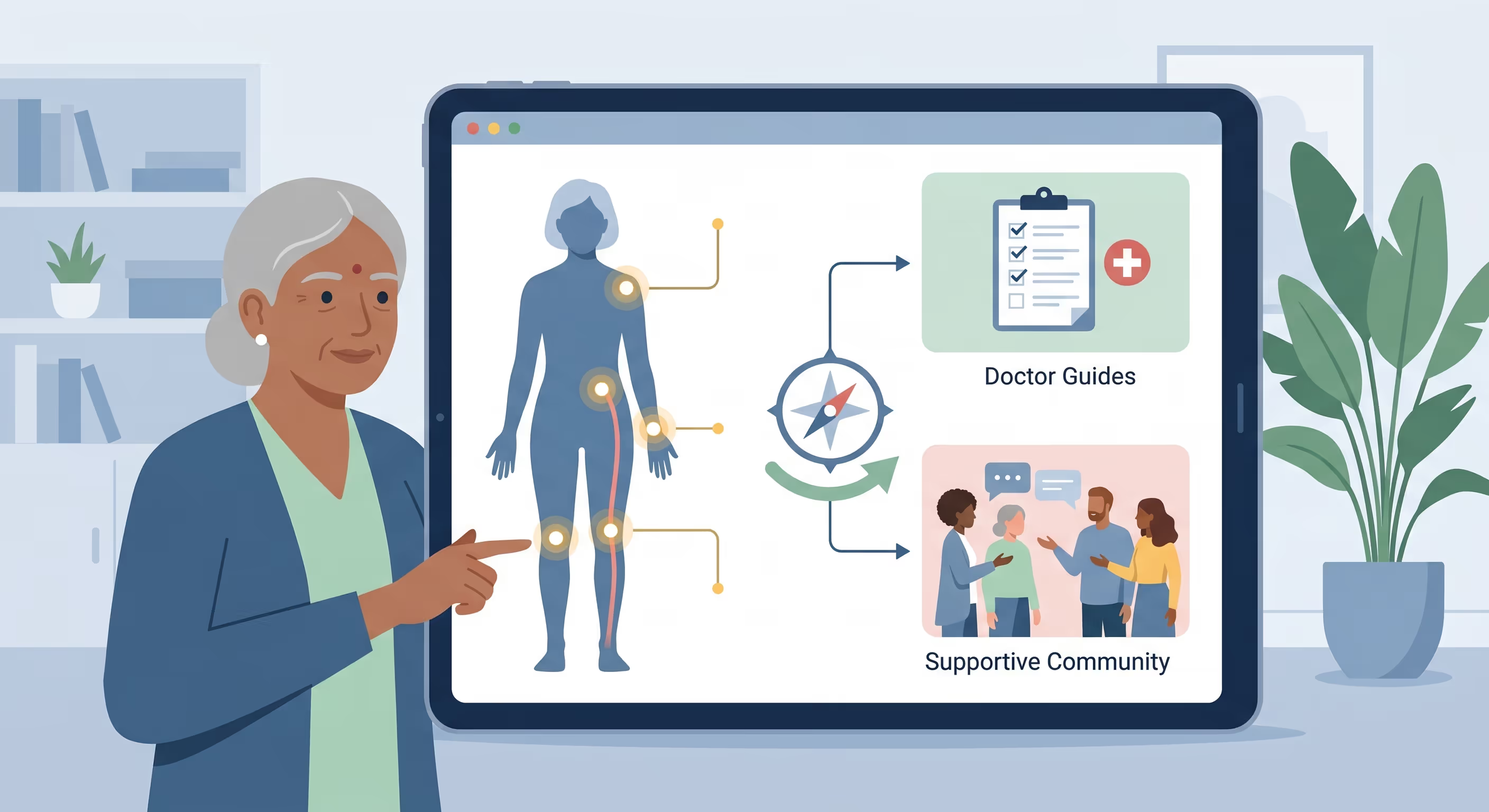
Orthogate Patient Education