
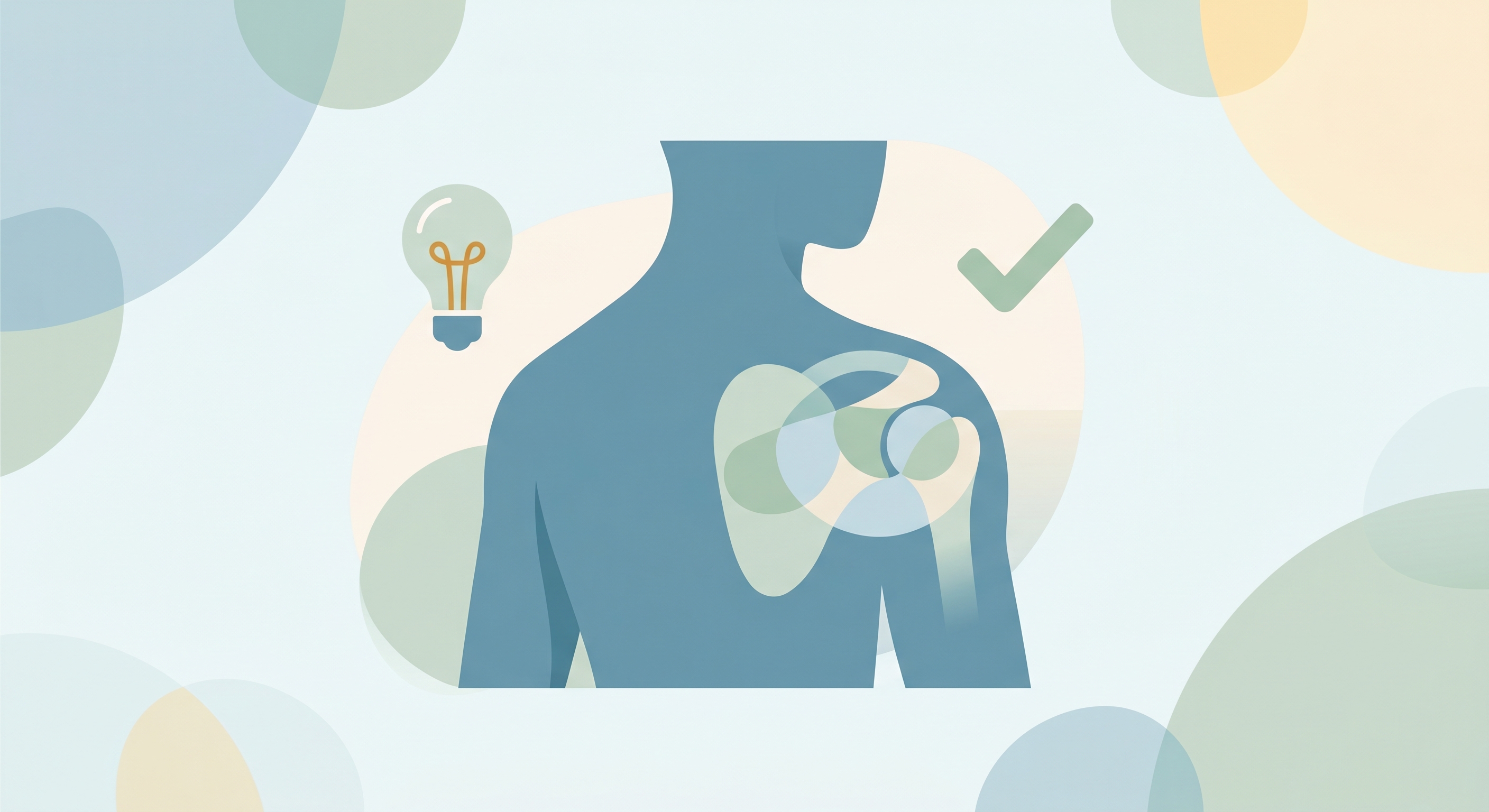
Subcoracoid Bursitis
Get Clear, Concise Answers to Your Top Questions About Subcoracoid Bursitis
Q1: What is Subcoracoid Bursitis?
A bursa is a small, fluid-filled sac that acts as a cushion between bones, tendons, and muscles around your joints. The subcoracoid bursa is located in your shoulder, beneath a bony projection called the coracoid process. Subcoracoid bursitis is when this bursa becomes inflamed, swollen, and irritated.
Q2: What causes Subcoracoid Bursitis?
Subcoracoid bursitis often develops from repetitive overhead arm movements or activities that put stress on the shoulder. It can also be caused by:
- Overuse injuries (e.g., in sports, painting, or heavy lifting)
- Direct trauma or injury to the shoulder
- Underlying conditions like arthritis or gout
- Poor posture
- Bone spurs in the shoulder
Q3: What are the common symptoms of Subcoracoid Bursitis?
The most common symptoms include:
- Pain in the front of your shoulder, which can sometimes spread down your arm.
- Pain that worsens with overhead movements or reaching.
- Tenderness when pressing on the front of your shoulder.
- Difficulty sleeping, especially when lying on the affected side.
- Sometimes, swelling or warmth in the shoulder area.
- Reduced range of motion in the shoulder.
Q4: How is Subcoracoid Bursitis diagnosed?
Your doctor will usually diagnose subcoracoid bursitis based on:
- A thorough discussion of your symptoms and medical history.
- A physical examination of your shoulder, checking for pain, tenderness, and range of motion.
- Sometimes, imaging tests like X-rays (to rule out other bone issues), ultrasound, or MRI may be used to confirm the diagnosis and assess the extent of inflammation or rule out other shoulder problems.
Q5: What are the non-surgical treatment options?
Most cases of subcoracoid bursitis improve with non-surgical treatments. These include:
- Rest and Activity Modification: Avoiding activities that aggravate your pain.
- Ice Application: Applying ice packs to the affected area for 15-20 minutes several times a day to reduce inflammation and pain.
- Pain Medication: Over-the-counter anti-inflammatory drugs (NSAIDs) like ibuprofen or naproxen can help reduce pain and swelling. Your doctor may prescribe stronger medications if needed.
- Corticosteroid Injections: Your doctor may inject a corticosteroid medication directly into the bursa to reduce inflammation quickly. These are generally not used frequently due to potential side effects.
- Physical Therapy: This is a key part of recovery. A physical therapist will guide you through exercises to restore motion, strengthen shoulder muscles, and improve posture.
Q6: What does physical therapy involve?
Physical therapy for subcoracoid bursitis aims to reduce pain, improve range of motion, and strengthen the muscles around your shoulder. Your therapist may use:
- Gentle stretching exercises to improve flexibility.
- Strengthening exercises for your rotator cuff and other shoulder muscles.
- Techniques to improve your posture and body mechanics.
- Modalities like ultrasound or massage to help with pain and healing.
Q7: When is surgery considered for Subcoracoid Bursitis?
Surgery for subcoracoid bursitis is rare and typically considered only if non-surgical treatments have not provided relief after several months, or if there is an underlying issue like a bone spur or a significant rotator cuff tear contributing to the bursitis.
Q8: What does the surgical procedure involve (if applicable)?
If surgery is needed, it's usually performed using a minimally invasive technique called arthroscopy. Small incisions are made, and a tiny camera and instruments are used to remove the inflamed bursa (bursectomy) and, if necessary, address any bone spurs or rotator cuff issues. The goal is to create more space and reduce friction in the shoulder.
Q9: What are the potential risks of surgery (if applicable)?
While rare with arthroscopic surgery, potential risks include:
- Infection
- Bleeding
- Nerve or blood vessel damage
- Stiffness or ongoing pain
- Reoccurrence of bursitis
Q10: What do I need to do to prepare for treatment/surgery?
- Non-surgical: Follow your doctor's instructions regarding rest, medication, and ice. Attend all physical therapy appointments.
- Surgical (if applicable): Your doctor will provide specific pre-operative instructions, which may include stopping certain medications, arranging for transportation home, and preparing your home for recovery.
Q11: What can I expect immediately after treatment/surgery?
- Non-surgical: You should experience gradual pain reduction and improved shoulder movement as you follow your treatment plan.
- Surgical: You may have some pain and swelling, managed with medication. You might wear a sling for a short period to protect your shoulder. Physical therapy usually begins shortly after.
Q12: How long is the typical recovery period?
Recovery time varies greatly depending on the severity of your condition and the treatment approach.
- Non-surgical: Mild cases may resolve in a few weeks, while more chronic cases can take several months.
- Surgical: Full recovery can take anywhere from 3 to 6 months, or sometimes longer, with consistent physical therapy.
Q13: How will pain be managed during my recovery?
Pain will be managed using a combination of methods, which may include:
- Over-the-counter pain relievers (NSAIDs).
- Prescription pain medication, if necessary.
- Ice application.
- Physical therapy techniques.
- Your doctor will discuss a pain management plan tailored to your needs.
Q14: What signs or symptoms should I watch out for and report to my doctor immediately?
Contact your doctor immediately if you experience:
- Increased pain that is not relieved by medication.
- Signs of infection: fever, chills, increased redness, warmth, or pus around any incision sites (if applicable).
- New or worsening numbness or tingling in your arm or hand.
- Sudden, severe swelling or bruising.
- Inability to move your arm at all.
Q15: What is the expected long-term outlook for Subcoracoid Bursitis?
With proper treatment and adherence to your rehabilitation program, most people with subcoracoid bursitis experience significant improvement in pain and function. Long-term outcomes are generally good, especially when addressing underlying causes and maintaining good shoulder mechanics.
We encourage you to write down any specific questions you have and discuss them thoroughly with your surgeon, doctor, or physical therapist. They are your best resource for personalized advice and care.
Disclaimer: This brochure provides general information and is not a substitute for professional medical advice. Always consult your doctor or qualified healthcare provider with any questions you may have regarding your specific medical condition and treatment plan.

Related articles
Browse all articlesTrusted External Resources
Curated educational materials to help you make informed decisions about your orthopaedic bone & joint conditions.

Orthopaedia
Orthogate Patient Education