
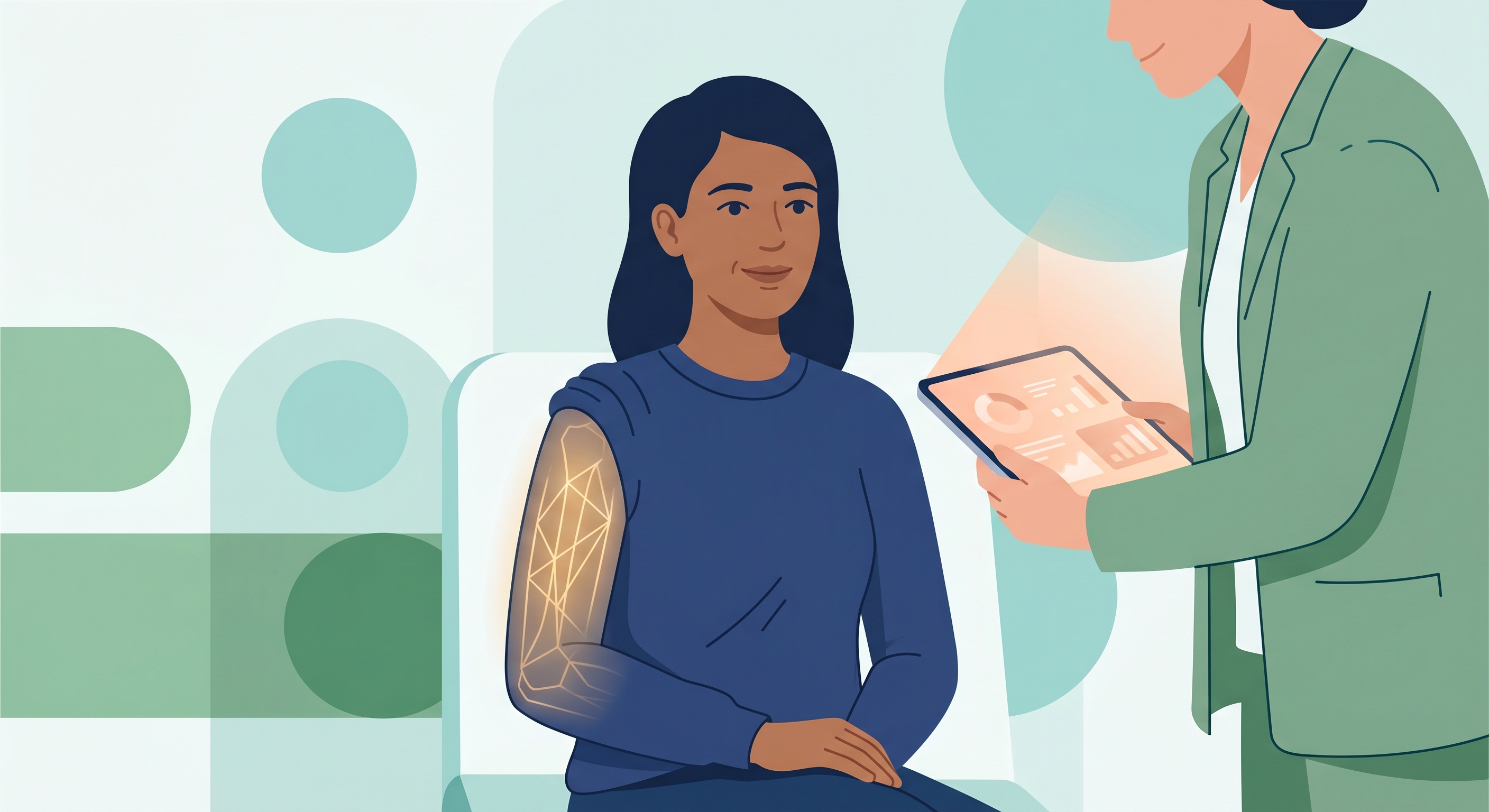
Humeral Shaft Fracture
Get Clear, Concise Answers to Your Top Questions About Humeral Shaft Fracture
This brochure provides general information about a humeral shaft fracture. It is designed to help you understand your condition, treatment options, and recovery process.
Q1: What is a humeral shaft fracture?
A humeral shaft fracture is a break in the long, middle part of your upper arm bone (the humerus). This bone connects your shoulder to your elbow.
Q2: What causes a humeral shaft fracture?
These fractures often result from direct trauma, such as a fall onto an outstretched arm, a direct blow to the arm, or a motor vehicle accident. In older adults, it can be caused by low-energy falls due to weakened bones (osteoporosis).
Q3: What are the common symptoms of a humeral shaft fracture?
You will likely experience:
- Sudden, severe pain in your upper arm.
- Swelling and bruising.
- Deformity of the arm (it may look out of place or shortened).
- Difficulty moving your arm.
- A crackling or grinding sensation when you try to move your arm.
- Numbness or tingling in your hand or fingers if nerves are affected.
Q4: How is a humeral shaft fracture diagnosed?
Your doctor will perform a physical examination and take X-rays of your arm. X-rays are usually enough to see the location and severity of the break. Sometimes, a CT scan may be used for more detailed imaging.
Q5: What are the treatment options for a humeral shaft fracture?
Treatment depends on the type and severity of your fracture.
- Non-surgical (conservative) treatment: This is often the first choice if the bones are not significantly out of place. It involves immobilizing the arm to allow the bone to heal naturally.
- Surgical treatment: This may be necessary for more severe fractures, open fractures (where the bone breaks through the skin), or if the bones cannot be properly aligned without surgery.
Q6: What does non-surgical treatment involve?
Non-surgical treatment typically involves:
- Sling: To support and protect your arm.
- Functional Brace (Sarmiento brace): A special plastic brace that fits around your upper arm. It allows some controlled movement while supporting the fracture, which can help healing.
- Pain management: Medications to help control your pain.
- Early, gentle exercises: To prevent stiffness in your shoulder, elbow, wrist, and hand.
Q7: What does surgical treatment involve (briefly)?
If surgery is needed, the most common procedures are:
- Open Reduction and Internal Fixation (ORIF): The surgeon makes an incision to realign the broken bone pieces and then secures them with metal plates and screws.
- Intramedullary Nailing: A metal rod (nail) is inserted into the hollow center of the humerus bone, spanning across the fracture to hold it in place.
Q8: What are the potential risks of surgery?
While generally safe, potential risks of surgery include:
- Infection.
- Bleeding.
- Injury to nerves (especially the radial nerve, which runs close to the humerus).
- Failure of the bone to heal (non-union).
- Hardware problems (screws or plates breaking or needing removal).
- Stiffness in the arm or shoulder.
Q9: What do I need to do before treatment/surgery?
- Follow your doctor's instructions regarding pain medication.
- If you are having surgery, you may need to stop certain medications (like blood thinners) beforehand.
- You will be given instructions on when to stop eating and drinking before surgery.
- Arrange for someone to drive you home after your appointment or surgery.
Q10: What can I expect immediately after treatment/surgery?
- Your arm will be immobilized in a sling or brace.
- You will experience some pain and swelling, which will be managed with medication.
- You may be given antibiotics if you had surgery.
- You will receive instructions on wound care (if applicable) and how to manage your sling or brace.
Q11: How long is the typical recovery period?
Bone healing typically takes 8 to 12 weeks, but full recovery of strength and motion can take several months, sometimes up to a year. This timeline can vary significantly based on the severity of the fracture and individual healing factors.
Q12: What does rehabilitation/physical therapy involve?
Physical therapy is crucial for recovery. It will involve:
- Early exercises: Gentle movements of your fingers, wrist, and elbow to prevent stiffness.
- Gradual shoulder range of motion exercises: To restore movement without putting stress on the healing fracture.
- Strengthening exercises: As your bone heals, you will progress to exercises to regain strength in your arm and shoulder.
- Functional activities: Working towards returning to daily tasks.
Q13: How will pain be managed?
Your doctor will prescribe pain medication to help manage discomfort, especially in the initial days and weeks. Ice packs applied to the area (over your brace or dressing) can also help reduce pain and swelling.
Q14: What can I do at home to help my recovery?
- Rest: Get plenty of rest, especially in the early stages.
- Ice: Apply ice packs as directed by your doctor.
- Elevation: Keep your arm elevated, especially when resting, to help reduce swelling.
- Medication: Take your pain medications exactly as prescribed.
- Do not smoke: Smoking significantly delays bone healing. If you smoke, this is a critical time to consider quitting or reducing.
- Follow exercise instructions: Do the prescribed exercises regularly to prevent stiffness.
- Keep your cast/brace dry and clean: Follow instructions for bathing and hygiene.
Q15: When can I expect to return to daily activities, work, driving, and sports?
- Daily activities: You will gradually return to light daily activities as pain allows and your doctor advises.
- Driving: You typically cannot drive while wearing a sling or brace, or while taking strong pain medication. Your doctor will advise you when it is safe to resume driving.
- Work: Return to work depends on the physical demands of your job. Light, desk-based work may be possible sooner than jobs requiring heavy lifting or physical exertion.
- Sports: High-impact activities and contact sports will be restricted until your bone is fully healed and you have regained significant strength and range of motion. This can take several months.
We encourage you to write down any specific questions you have and discuss them thoroughly with your surgeon, doctor, or physical therapist. They are your best resource for personalized advice and care.
Disclaimer: This brochure provides general information and is not a substitute for professional medical advice. Always consult your doctor or qualified healthcare provider with any questions you may have regarding your specific medical condition and treatment plan.

Related articles
Browse all articlesTrusted External Resources
Curated educational materials to help you make informed decisions about your orthopaedic bone & joint conditions.

Orthopaedia
Orthogate Patient Education