
Shoulder Tendon Transfer (Lower Trapezius Transfer)
Get Clear, Concise Answers to Your Top Questions About Shoulder Tendon Transfer (Lower Trapezius Transfer)
Q1. What is a Lower Trapezius Tendon Transfer?
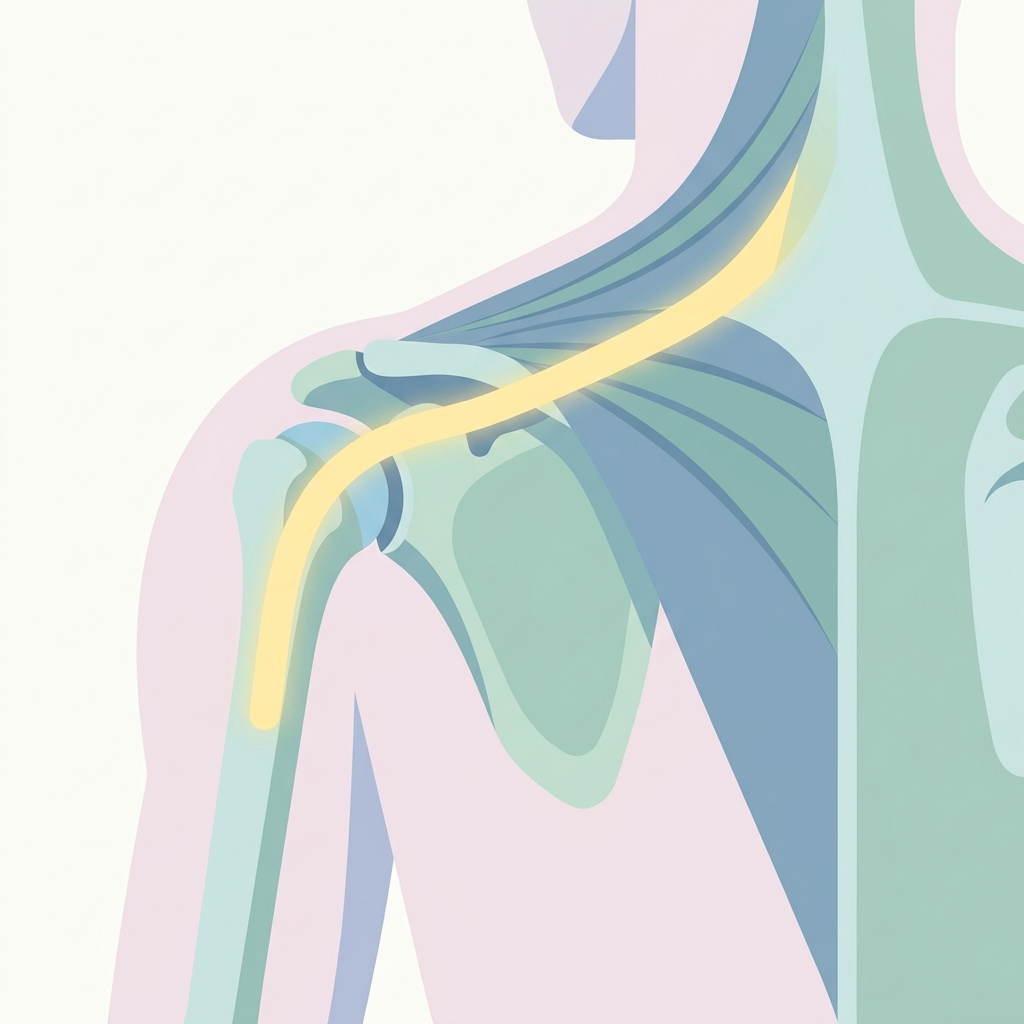
A lower trapezius tendon transfer is a surgical procedure designed to restore movement and strength to a shoulder that has a massive, irreparable rotator cuff tear. In this procedure, a portion of the lower trapezius muscle—a large muscle in your upper back—is rerouted and attached to the top of your upper arm bone (humerus). Because the native rotator cuff tendon is too damaged to be repaired, the transferred trapezius muscle takes over the job of helping you raise and rotate your arm outward.
Q2. Who is a candidate for a Lower Trapezius Transfer?
This surgery is typically recommended for individuals who meet the following criteria:
- Have a massive, irreparable rotator cuff tear (specifically involving the supraspinatus and infraspinatus tendons).
- Experience significant shoulder weakness, especially when trying to rotate the arm outward (external rotation) or raise it.
- Continue to have pain and functional loss despite non-surgical treatments like physical therapy and injections.
- Are relatively young and active, or do not have significant shoulder arthritis, making them unsuitable for a reverse total shoulder replacement.
Q3. How does the lower trapezius muscle restore shoulder function?
The lower trapezius muscle normally helps move and stabilize your shoulder blade. During a tendon transfer, the surgeon detaches one end of this muscle and extends it using a donor tendon graft (usually an Achilles or hamstring graft). The graft is then anchored to the humeral head (the ball of the shoulder joint). Once healed, when you try to rotate your arm outward, your brain sends a signal to the lower trapezius muscle to contract, pulling on the graft and mimicking the action of your missing rotator cuff. Over time, your brain adapts to using this back muscle to control your shoulder movement.
Q4. What is the difference between a rotator cuff repair and a tendon transfer?
In a standard rotator cuff repair, the surgeon pulls the torn edges of your own rotator cuff tendon back to its original attachment on the bone and secures it. However, if a tear is massive, long-standing, and the muscle has wasted away (atrophied) or turned into fat, the tissue cannot be repaired. A tendon transfer does not fix the original torn tendon. Instead, it uses a healthy, nearby muscle (the lower trapezius) to bypass the damaged area and perform the lost movement.
Q5. How is the surgery performed?
The surgery is performed using a combination of open surgery and arthroscopy:
- Muscle Harvesting (Open): The surgeon makes a small incision on your upper back near the shoulder blade to carefully free the lower trapezius tendon from its attachment.
- Graft Preparation: Because the trapezius tendon is short, the surgeon secures a donor tendon graft (allograft) to the end of the trapezius muscle to extend its length.
- Tendon Transfer (Arthroscopic): Using small keyhole incisions and a camera (arthroscope) in the shoulder joint, the surgeon tunnels the extended tendon graft under the skin and anchors it securely to the arm bone.
Q6. What type of anesthesia is used during the procedure?
The procedure is typically performed under general anesthesia, which means you will be completely asleep. In addition, your care team will usually administer a regional nerve block. This block numbs the nerves around your shoulder and arm, providing excellent pain control during the surgery and for the first 12 to 24 hours afterward. You will discuss these options with your anesthesiologist before surgery.
Q7. How should I prepare for my surgery?
Preparing for surgery helps ensure a smooth recovery. You should consider the following steps:
- Medical Clearance: Complete any required pre-operative health assessments, blood work, or consultations.
- Medication Review: Inform your surgeon of all medications you take. You may need to temporarily stop blood thinners or anti-inflammatory drugs.
- Home Preparation: Arrange your living space to avoid lifting. Place everyday items within waist height, stock up on easy-to-prepare meals, and set up a comfortable resting area.
- Support System: Arrange for a family member or friend to drive you home from the hospital and help with daily tasks for the first few days.
Q8. What should I expect immediately after the surgery?
When you wake up from surgery, your arm will be placed in a specialized sling, and your shoulder will feel numb from the nerve block. You will spend some time in the recovery room where nurses will monitor your vital signs. Depending on your surgeon's recommendation and your health status, you may go home the same day or stay overnight for observation and pain control.
Q9. Why do I need to wear a special external rotation sling, and for how long?
Unlike standard slings that keep your arm close to your chest, a lower trapezius transfer requires a special "external rotation" sling. This sling uses a foam wedge to keep your arm positioned slightly outward and away from your body. This specific position is critical because it keeps the transferred muscle and graft relaxed, preventing tension on the healing tendon connection. You will need to wear this sling at all times, including during sleep, for approximately 4 to 6 weeks, removing it only for hygiene, dressing, and specific physical therapy exercises.
Q10. How should I sleep comfortably and safely after surgery?
Sleeping can be challenging during the first few weeks. To sleep safely and comfortably, follow these recommendations:
- Sleep reclined: Sleep in a semi-upright position in a recliner chair or propped up with pillows in bed. This position reduces pressure on the shoulder and prevents you from rolling over.
- Support your elbow: Place a pillow behind your elbow and upper arm on the surgical side to keep the arm from falling backward.
- Wear your sling: Keep the external rotation sling buckled and securely in place throughout the night to protect the healing transfer.
Q11. What does the rehabilitation and physical therapy process look like?
Physical therapy is critical for retraining your brain and muscle to work together. The process occurs in phases:
- Phase 1 (Weeks 1-6): Focus is on protecting the transfer. Only passive motion is allowed, where a therapist or your other arm moves the surgical shoulder without your shoulder muscles contracting.
- Phase 2 (Weeks 6-12): Active-assisted motion begins, gradually transitioning to active movement where you use your own muscles to lift your arm.
- Phase 3 (Month 3 onward): Biofeedback and strength training begin, focused on retraining the lower trapezius muscle to assist with outward rotation and raising the arm.
Q12. How long does the complete recovery take?
Recovering from a tendon transfer is a gradual process. While you will make steady progress, it takes about 6 months to return to most light, daily activities. Complete recovery, including maximal strength and range of motion gains, typically takes 9 to 12 months. Healing times depend on the quality of your tissues and your commitment to the rehabilitation program.
Q13. What are the potential risks and complications of this procedure?
As with any surgery, there are risks involved. While uncommon, potential complications include:
- Graft failure or stretching: The transferred tendon graft may fail to heal to the bone or stretch out, reducing the effectiveness of the surgery.
- Infection: A risk at the incision sites or deeper within the shoulder joint.
- Stiffness: Persistent shoulder stiffness or "frozen shoulder" requiring extended physical therapy.
- Nerve injury: Temporary or permanent damage to the nerves around the shoulder blade or arm.
- Persistent pain: Some patients may continue to experience pain, particularly if there is underlying arthritis.
Q14. How should I manage my pain at home during recovery?
Pain management is essential, especially in the first week. Strategies include:
- Take medications as prescribed: Use pain medications regularly as directed by your doctor, tapering off to over-the-counter pain relievers as your pain decreases.
- Use ice: Apply ice packs or a cold therapy unit to your shoulder for 20-30 minutes several times a day to reduce swelling and pain.
- Rest: Avoid activities that strain your shoulder and allow your body to focus energy on healing.
Q15. What are the long-term outcomes and expectations for this surgery?
For most patients, a lower trapezius transfer provides significant pain relief and improves the ability to raise and rotate the arm. While it may not restore the shoulder to 100% of its normal, pre-injury state, it significantly enhances daily function, allowing patients to reach overhead and perform activities of daily living with much less discomfort. Long-term success relies heavily on completing the full physical therapy program to retrain the muscle.
We encourage you to write down any specific questions you have and discuss them thoroughly with your surgeon, doctor, or physical therapist. They are your best resource for personalized advice and care.
Disclaimer: This brochure provides general information and is not a substitute for professional medical advice. Always consult your doctor or qualified healthcare provider with any questions you may have regarding your specific medical condition and treatment plan.

Related articles
Browse all articlesTrusted External Resources
Curated educational materials to help you make informed decisions about your orthopaedic bone & joint conditions.

Orthopaedia
Orthogate Patient Education