
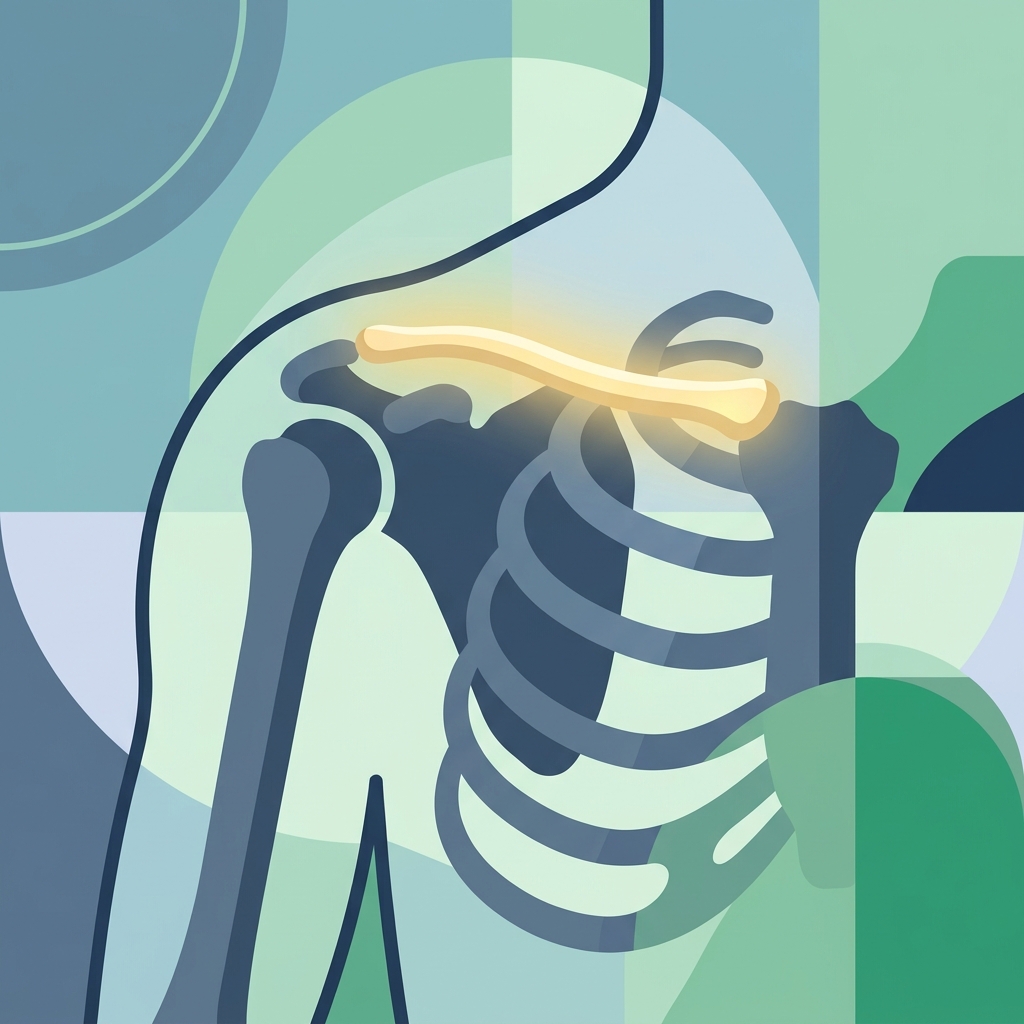
Clavicle Fracture Fixation
Get Clear, Concise Answers to Your Top Questions About Clavicle Fracture Fixation
Q1. What is a clavicle fracture fixation and why is it performed?
Clavicle fracture fixation is a surgical procedure to repair a broken collarbone (clavicle). During the surgery, an orthopaedic surgeon aligns the broken pieces of bone and secures them in place, typically using a thin metal plate and screws. This procedure is performed to ensure the bone heals in the correct position, which reduces pain, prevents long-term shoulder deformity, and helps you recover your full range of motion.
Q2. What are the signs that my clavicle fracture requires surgical fixation rather than healing on its own?
While many collarbone fractures heal with a simple sling, surgery is recommended if:
- The bone fragments are significantly out of place (displaced) and do not line up.
- The broken bone has punctured or is threatening to puncture the skin.
- The clavicle is broken into multiple pieces.
- The bone has shortened significantly due to overlapping fragments.
- The fracture fails to heal on its own after several weeks of conservative treatment.
Q3. How should I prepare for my clavicle fracture fixation surgery?
Preparing for surgery helps ensure a safe procedure and a smooth recovery:
- Medical Evaluation: You will have a pre-operative health check, including blood tests or an ECG if necessary.
- Medications: Inform your doctor of all medications you take. You may need to stop blood thinners or anti-inflammatory drugs a few days before surgery.
- Fasting: Do not eat or drink anything after midnight the night before your surgery.
- Home Prep: Set up a comfortable resting area, wear loose-fitting button-down clothing, and arrange for someone to drive you home.
Q4. What type of anesthesia is used for this procedure?
Clavicle fracture fixation is typically performed under general anesthesia, meaning you will be completely asleep and feel no pain during the surgery. Additionally, your surgeon or anesthesiologist may recommend a regional nerve block. This injection numbs the nerves around your shoulder and arm, providing excellent pain relief that lasts for several hours after you wake up.
Q5. How is the surgery performed?
The surgery follows a highly structured, precise process:
- An incision is made along the skin directly over your broken collarbone.
- The surgeon carefully moves the surrounding tissues to expose the broken bone fragments.
- The bone pieces are gently repositioned back into their normal, healthy alignment.
- A strong metal plate (usually made of titanium or stainless steel) is placed along the bone and secured with specialized screws.
- The incision is closed using stitches or surgical staples, and covered with a sterile dressing.
Q6. Will I have a scar, and where will it be located?
Yes, you will have a scar. The incision is made horizontally along the top of your collarbone, so the scar will run parallel to the bone. Initially, the scar may appear red or slightly raised, but it will gradually fade and flatten over the course of 12 to 18 months. Protecting the area from direct sunlight and using scar-massage techniques once the incision is fully healed can improve the scar's final appearance.
Q7. What should I expect immediately after surgery in the recovery room?
After surgery, you will wake up in the recovery room, where nurses will monitor your vital signs. Your shoulder will be in a protective sling, and you may feel a cold sensation if an ice pack is applied. You might experience some grogginess, mild nausea, or a sore throat from the breathing tube. The regional nerve block will keep your shoulder numb, but you should tell the nurse if you begin to feel any pain. Most patients are able to go home the same day.
Q8. How is pain managed after a clavicle fracture fixation?
Managing pain is key to a comfortable recovery. Your care team will provide a multi-layered pain plan:
- Prescription Pain Relievers: Stronger medication may be prescribed for the first few days. Use it exactly as directed.
- Over-the-Counter Medications: Acetaminophen or anti-inflammatory drugs (like ibuprofen) are often used as pain decreases.
- Ice Therapy: Applying ice packs to your shoulder for 15 to 20 minutes at a time, several times a day, helps reduce swelling and discomfort.
- Rest: Keeping your arm supported in the sling prevents stress on the surgical site.
Q9. Why do I need to wear a sling, and how long will I need it?
A sling is essential because it supports the weight of your arm and protects the surgical repair as the bone begins to knit back together. You will generally need to wear the sling full-time—including while sleeping—for the first 2 to 4 weeks. Your surgeon will tell you when it is safe to remove the sling for light exercises, showering, and eventually discontinue it altogether as your bone heals.
Q10. What is the best way to sleep comfortably and safely after surgery?
Sleeping can be challenging after shoulder surgery. To stay comfortable and protect your collarbone:
- Sleep in a semi-reclined position. Using a recliner chair or propping yourself up with pillows in bed is highly recommended.
- Avoid sleeping on your stomach or on the side of your surgery.
- Place a small pillow under your elbow or behind your arm on the surgical side to prevent your shoulder from dropping backward.
- Keep your protective sling on while sleeping to prevent accidental movements.
Q11. How do I care for my surgical incision and dressing at home?
Proper wound care prevents infection and promotes healing:
- Keep your surgical dressing clean and completely dry. Do not shower until your surgeon gives you permission (usually 3 to 5 days after surgery).
- When showering is allowed, cover the dressing with plastic wrap to keep water out, or gently pat the wound dry if it gets wet. Do not soak in a tub or swim.
- Do not apply any ointments, creams, or gels to the incision unless prescribed by your surgeon.
- Monitor the area daily for signs of infection, such as increased redness, swelling, warmth, or draining fluid.
Q12. When can I resume light daily activities and return to work or driving?
Recovery timelines vary based on your healing progress:
- Light Activities: You can use your hand for writing, typing, or eating within a few days, keeping your elbow close to your body.
- Driving: You must not drive while taking prescription pain medications or while you are required to wear the sling full-time. Most patients can drive 4 to 6 weeks after surgery.
- Return to Work: Office workers may return within 1 to 2 weeks. If your job involves heavy lifting or manual labor, you may need to wait 3 to 4 months.
Q13. What does the rehabilitation and physical therapy process look like?
Rehabilitation is critical for restoring strength and movement to your shoulder:
- Phase 1 (Weeks 1-4): Focuses on gentle finger, wrist, and elbow movements. Passive shoulder exercises (where a therapist moves your arm) may begin to prevent stiffness.
- Phase 2 (Weeks 4-8): Active exercises start, allowing you to move your arm on your own. You will focus on restoring a full range of motion.
- Phase 3 (Weeks 8+): Strengthening exercises begin once X-rays confirm the bone has healed sufficiently. You will work on rebuilding muscle and returning to normal activities.
Q14. What are the potential risks or complications associated with this surgery?
While clavicle fixation is highly successful, all surgeries carry some risks. These include:
- Infection at the incision site.
- Bleeding or damage to nearby blood vessels or nerves.
- Nonunion or delayed union (the bone taking longer to heal or failing to heal).
- Hardware irritation (feeling the plate and screws under the skin, especially in thin individuals).
- Stiffness in the shoulder joint.
Q15. When will the metal plate and screws be removed, or do they stay in permanently?
For most patients, the plate and screws are designed to stay in permanently and do not cause any issues. However, if the hardware becomes irritating, rubs against your skin, or causes discomfort when wearing a backpack or seatbelt, it can be removed. Hardware removal is a separate, minor outpatient procedure, but it is typically only done after the collarbone has completely healed, usually at least one year after the initial surgery.
We encourage you to write down any specific questions you have and discuss them thoroughly with your surgeon, doctor, or physical therapist. They are your best resource for personalized advice and care.
Disclaimer: This brochure provides general information and is not a substitute for professional medical advice. Always consult your doctor or qualified healthcare provider with any questions you may have regarding your specific medical condition and treatment plan.

Related articles
Browse all articlesTrusted External Resources
Curated educational materials to help you make informed decisions about your orthopaedic bone & joint conditions.

Orthopaedia

Orthogate Patient Education