
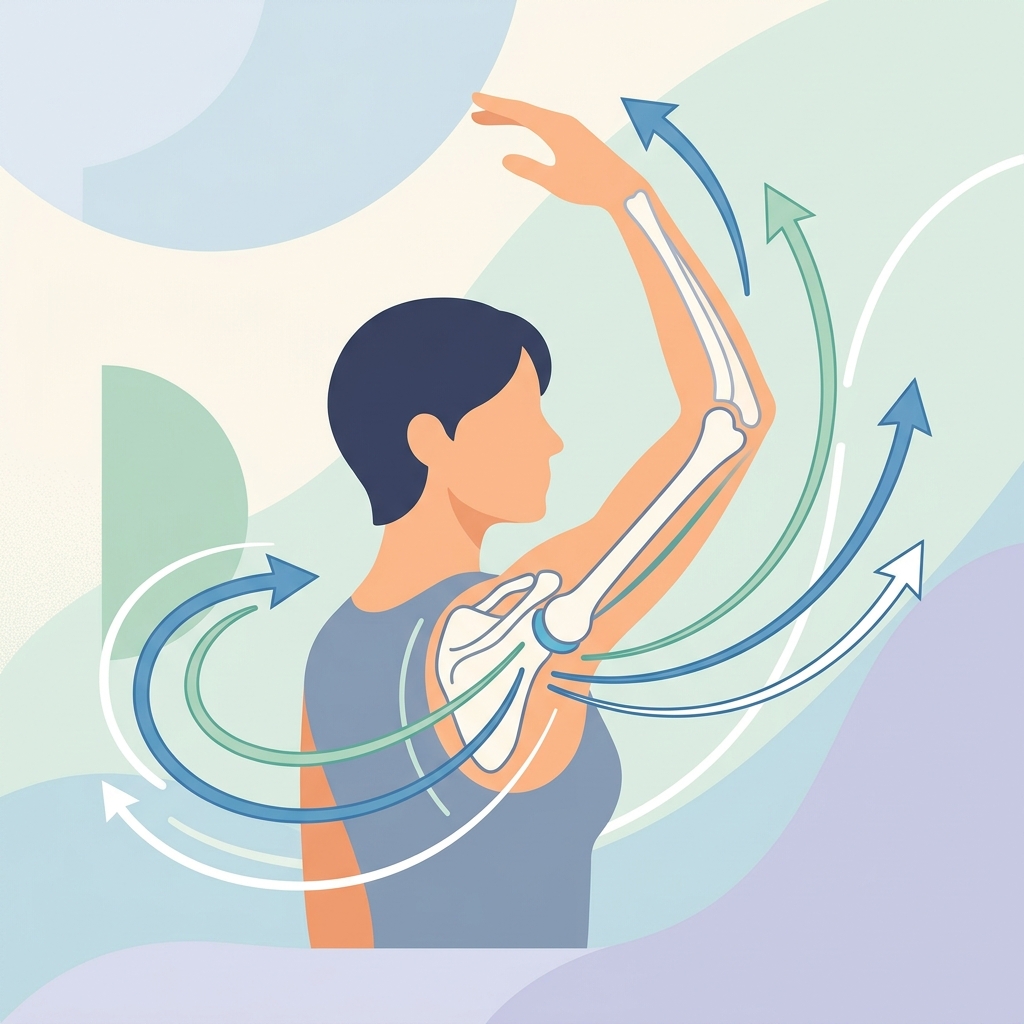
Arthroscopic Capsular Release (for Frozen Shoulder)
Get Clear, Concise Answers to Your Top Questions About Arthroscopic Capsular Release (for Frozen Shoulder)
Q1. What is arthroscopic capsular release, and why is it performed for a frozen shoulder?
Arthroscopic capsular release is a minimally invasive surgery used to treat a frozen shoulder (adhesive capsulitis). In a frozen shoulder, the tissue capsule surrounding the shoulder joint becomes thick, tight, and inflamed, severely restricting movement. During this procedure, a surgeon uses a tiny camera (arthroscope) and specialized instruments to cut through the tight parts of the capsule, releasing the tension and restoring the shoulder's range of motion.
Q2. When is surgery recommended for frozen shoulder instead of non-surgical treatments?
Surgery is typically considered only after conservative treatments have not provided relief. Dr. Veillette may recommend this surgery if:
- You have experienced severe pain and stiffness for six months or longer.
- Non-surgical options, such as physical therapy, corticosteroid injections, and hydrodilatation, have failed to improve your mobility.
- Your shoulder stiffness significantly interferes with your sleep, work, or daily activities.
Q3. How should I prepare for my arthroscopic capsular release surgery?
Preparing for surgery helps ensure a smooth procedure and recovery. You should:
- Discuss all current medications, supplements, and vitamins with your healthcare team to see if any need to be stopped.
- Arrange for a responsible adult to drive you home after surgery and stay with you for the first 24 hours.
- Set up your home beforehand by placing frequently used items within easy reach at waist level.
- Follow the specific fasting instructions (not eating or drinking) provided by the hospital or surgical center for the night before your procedure.
Q4. What type of anesthesia is used during the procedure?
Most arthroscopic capsular releases are performed using a combination of:
- General Anesthesia: This keeps you asleep and pain-free throughout the entire surgery.
- Regional Nerve Block: An injection near the nerves in your neck or shoulder that numbs the entire arm. This block provides excellent pain relief for 12 to 24 hours after the surgery.
Q5. How is the arthroscopic capsular release performed?
The procedure is performed using arthroscopic techniques through small incisions. The steps include:
- Making two or three keyhole incisions (about the size of a buttonhole) around the shoulder.
- Inserting the arthroscope to view the inside of the joint on a monitor.
- Using small instruments to carefully cut and release the tight, scarred portions of the joint capsule.
- Performing a gentle manipulation of the shoulder while you are asleep to ensure the joint can move freely in all directions.
- Closing the incisions with stitches or sterile tape and applying a bandage.
Q6. How long does the surgery take, and will I need to stay in the hospital?
The surgical procedure itself usually takes between 30 to 60 minutes. Because it is done as an outpatient procedure, you will monitor in the recovery area for a few hours and will be able to go home the same day. Overnight hospital stays are rarely required.
Q7. Will I need to wear a sling after surgery, and for how long?
Unlike other shoulder surgeries where tissues must heal together, the goal of capsular release is to keep the shoulder moving. Therefore, a sling is only used for comfort and protection for the first few days. You will be encouraged to remove the sling and move your arm and shoulder as soon as the nerve block wears off to prevent the capsule from tightening up again.
Q8. How can I manage pain and swelling immediately after the procedure?
Managing pain and swelling is crucial for allowing you to start moving your shoulder early. Strategies include:
- Taking prescribed pain medications exactly as directed by your surgeon.
- Transitioning to over-the-counter pain relievers like acetaminophen or ibuprofen as your pain decreases.
- Applying ice packs wrapped in a cloth to your shoulder for 15 to 20 minutes at a time, several times a day.
- Keeping your hand, wrist, and elbow moving to help reduce swelling in your arm.
Q9. What is the best way to sleep comfortably after shoulder surgery?
Finding a comfortable sleeping position can be challenging for the first few weeks. Tips for sleeping include:
- Sleeping in a semi-reclined position, such as in a recliner chair or propped up with pillows in bed.
- Placing a small pillow behind your elbow or upper arm on the surgical side to keep the arm from falling backward.
- Avoiding sleeping directly on your surgical shoulder or flat on your back.
Q10. When can I start physical therapy, and how important is it to my recovery?
Physical therapy is the most critical part of your recovery. It usually starts within 24 to 48 hours after surgery. The primary goal is to maintain the movement gained during the procedure. Without consistent, immediate stretching and exercises, the shoulder tissue can scar down and become frozen again.
Q11. What are the key stages and timeline of the rehabilitation process?
Recovery is a gradual process that requires dedication. General phases include:
- Phase 1 (Weeks 1 to 4): Focuses on restoring passive motion with the help of a physical therapist and performing daily home stretching exercises.
- Phase 2 (Weeks 4 to 8): Transitions to active exercises where you use your own muscles to move the arm, gradually building strength.
- Phase 3 (Months 2 to 4): Focuses on advanced strengthening, functional activities, and returning to sports or heavy manual work.
Q12. When can I return to work, driving, and normal daily activities?
Your timeline depends on your progress and the demands of your activities:
- Desk Work: You may return within 1 to 2 weeks, as long as you can manage any discomfort.
- Driving: You can usually drive once you are off prescription pain medications and can safely and comfortably steer with both hands, typically around 2 to 3 weeks.
- Physical Labor: Returning to heavy lifting or overhead work may take 3 to 4 months of rehabilitation.
Q13. What are the potential risks and complications of arthroscopic capsular release?
While arthroscopic capsular release is very safe, risks are present with any surgery. Potential complications include:
- Recurrent Stiffness: The shoulder can tighten up again if physical therapy is not started immediately or done consistently.
- Temporary Nerve Injury: Nerves near the shoulder can be stretched, leading to temporary numbness or weakness.
- Infection or Bleeding: These are rare due to the small size of the keyhole incisions.
- Persistent Pain: Some patients may continue to experience some level of pain.
Q14. How successful is this surgery in restoring shoulder mobility and relieving pain?
The vast majority of patients experience significant improvement after surgery. Studies show that over 80% to 90% of patients achieve:
- Excellent pain relief.
- Restored or near-normal shoulder range of motion.
- Improved ability to perform daily tasks and sleep without disruption.
Success depends heavily on your commitment to the post-operative physical therapy program.
Q15. What should I do if I experience unexpected symptoms during my recovery?
Contact Dr. Veillette's office or seek medical attention immediately if you notice any warning signs, including:
- A high fever (above 38°C or 100.4°F) or chills.
- Increased redness, warmth, or drainage with an odor from the incisions.
- Severe pain that is not relieved by your prescribed medications.
- Sudden, severe swelling in your arm or hand, or shortness of breath.
We encourage you to write down any specific questions you have and discuss them thoroughly with your surgeon, doctor, or physical therapist. They are your best resource for personalized advice and care.
Disclaimer: This brochure provides general information and is not a substitute for professional medical advice. Always consult your doctor or qualified healthcare provider with any questions you may have regarding your specific medical condition and treatment plan.

Related articles
Browse all articlesTrusted External Resources
Curated educational materials to help you make informed decisions about your orthopaedic bone & joint conditions.

Orthopaedia

Orthogate Patient Education