
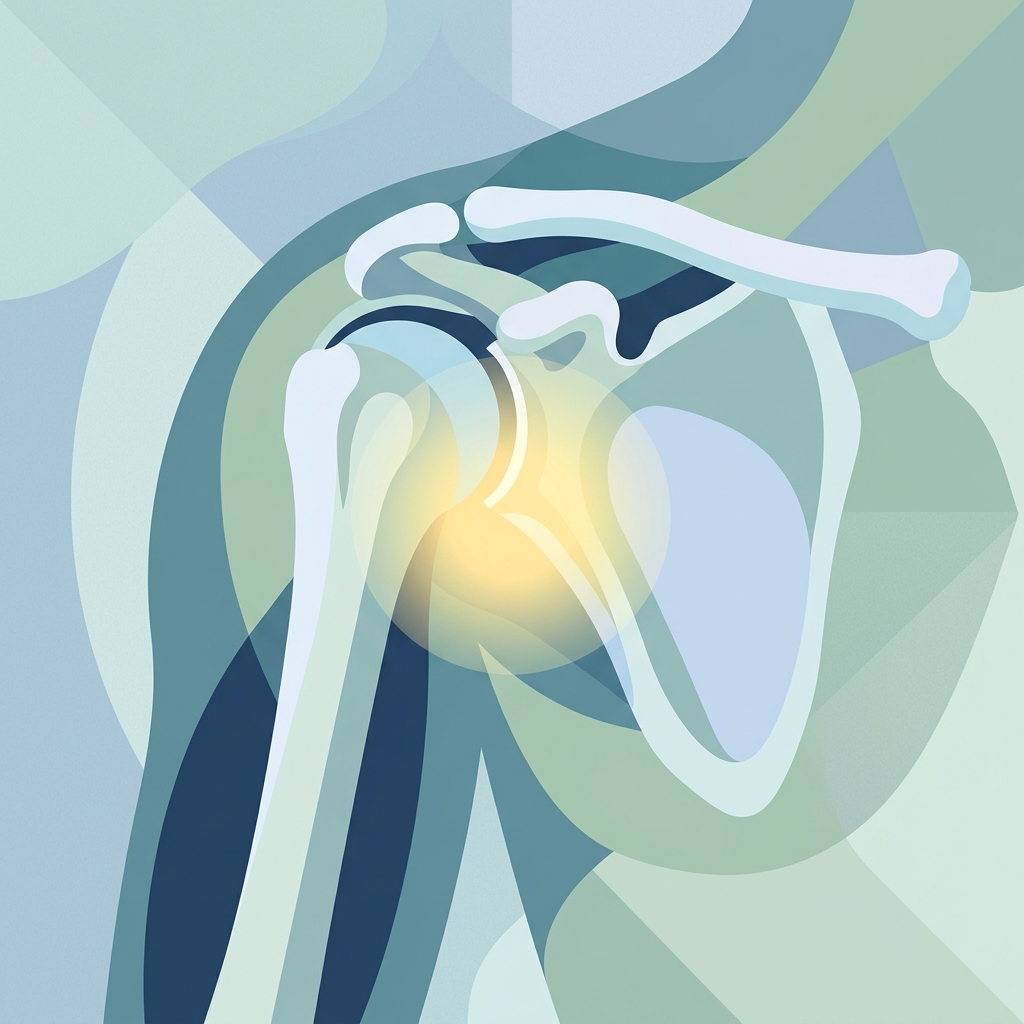
Total Shoulder Arthroplasty - Anatomic
Get Clear, Concise Answers to Your Top Questions About Total Shoulder Arthroplasty - Anatomic
Q1. What is anatomic total shoulder arthroplasty?
Anatomic total shoulder arthroplasty is a surgical procedure that replaces a damaged shoulder joint with artificial parts designed to mimic your natural anatomy. In a healthy shoulder, the round ball of your upper arm bone (humerus) fits into a shallow socket (glenoid). During this surgery, the worn-out ball is replaced with a highly polished metal ball, and the damaged socket is lined with a smooth plastic cup. This helps eliminate bone-on-bone friction, relieves pain, and restores mobility.
Q2. How does anatomic shoulder replacement differ from reverse shoulder replacement?
An anatomic shoulder replacement keeps the natural ball-and-socket design of your joint, placing the artificial ball on your arm bone and the socket on your shoulder blade. This procedure relies on a healthy, intact rotator cuff (the group of muscles and tendons surrounding the joint) to move the arm. In contrast, a reverse shoulder replacement switches the position of the ball and socket, placing the ball on the shoulder blade and the socket on the arm bone. A reverse replacement is used when the rotator cuff is severely damaged or non-functional, relying on the larger deltoid muscle to move the arm instead.
Q3. Who is a good candidate for an anatomic total shoulder arthroplasty?
You may be a good candidate for this procedure if you experience:
- Severe, chronic shoulder pain that interferes with daily tasks like reaching, dressing, and sleeping.
- Advanced arthritis or joint damage confirmed by X-rays or MRI.
- Pain that has not improved with conservative treatments like physical therapy, medications, or injections.
- An intact and functional rotator cuff, which is required to support and move the anatomic replacement.
Q4. What causes the need for anatomic total shoulder replacement?
The most common cause is the gradual wearing down of the joint cartilage, which can result from:
- Osteoarthritis: General wear and tear that comes with aging.
- Rheumatoid arthritis: An autoimmune condition that causes chronic joint inflammation.
- Post-traumatic arthritis: Joint damage following a severe shoulder fracture or injury.
- Avascular necrosis: A condition where the bone tissue dies due to a temporary loss of blood supply to the ball of the shoulder.
Q5. How is the surgery performed?
The surgeon makes an incision along the front of your shoulder. The muscles are gently parted to access the joint. The surgeon removes the damaged surface of the ball at the top of your upper arm bone and inserts a metal stem with a metal ball. The damaged surface of the socket is then smoothed down, and a plastic socket component is cemented in place. The muscles and skin are then carefully closed with sutures or staples, and a sterile dressing is applied.
Q6. What kind of anesthesia is used during the procedure?
Most patients receive a combination of general anesthesia and a regional nerve block. General anesthesia keeps you completely asleep and pain-free during the operation. The regional nerve block involves injecting numbing medication around the nerves that lead to your shoulder. This block provides excellent pain control for 12 to 24 hours after the surgery, reducing the need for strong pain medications immediately after you wake up.
Q7. How long does the surgery take, and how long will I stay in the hospital?
The surgery itself typically takes about 1 to 2 hours. After surgery, you will spend another 1 to 2 hours in the recovery room. Most patients stay in the hospital for one night, though some patients are able to go home the same day (outpatient surgery) if they meet specific safety criteria and have adequate support at home.
Q8. What should I expect immediately after surgery in the recovery room?
When you wake up, your arm will be resting in a protective sling. Your shoulder will feel numb from the nerve block, and you may have an intravenous (IV) line in your arm to deliver fluids and pain medications. The medical team will closely monitor your vital signs, check your pain levels, and help you transition to drinking and eating light foods when you feel ready.
Q9. How long do I need to wear a sling after surgery?
You will need to wear a protective sling for approximately 4 to 6 weeks. The sling keeps your shoulder in a stable position while the surrounding muscles and tissues heal. You should wear it at all times, including when sleeping and walking. You may remove the sling only for showering and performing gentle elbow, wrist, and hand exercises as directed by your surgeon.
Q10. What is the typical recovery timeline?
Recovery is a gradual process that varies for each individual, but a general timeline includes:
- Weeks 1 to 6: Wearing the sling, performing gentle range-of-motion exercises, and managing discomfort.
- Weeks 6 to 12: Transitioning out of the sling, starting active movements, and beginning light daily activities.
- Months 3 to 6: Introducing strengthening exercises and returning to most normal activities.
- Months 6 to 12: Achieving full recovery, with continued improvements in strength, flexibility, and comfort.
Q11. When can I start physical therapy, and what does it involve?
Physical therapy starts very soon after surgery, often within the first few days or week. Initially, therapy focuses on passive exercises, where the therapist or your other arm moves your surgical arm to prevent stiffness without straining the healing tissues. Around 6 weeks, you will transition to active exercises where you move the arm using its own muscles. Gradually, strengthening exercises are added to help you regain full function of your shoulder.
Q12. What are the common risks or potential complications of this surgery?
While anatomic shoulder replacement is highly successful, risks are present with any surgery. These can include:
- Infection at the surgical site or deep within the joint.
- Blood clots forming in the arm or legs.
- Nerve damage causing temporary or permanent numbness or weakness.
- Stiffness or failure of the joint to regain expected movement.
- Loosening or wear of the artificial parts over time.
Q13. How should I prepare my home for recovery?
Preparing your home beforehand can make your recovery much easier and safer. Consider these steps:
- Arrange for help: Have someone stay with you or help with meals, grocery shopping, and driving for the first couple of weeks.
- Set up a recovery station: Keep items like your phone, tablet, medications, TV remote, and water bottle within easy reach.
- Place clothes conveniently: Choose loose-fitting shirts that button up or zip in the front, and slip-on shoes.
- Prevent falls: Remove loose rugs, secure electrical cords, and make sure paths are clear and well-lit.
- Prepare meals: Cook and freeze meals in advance so they are easy to reheat.
Q14. What are the long-term activity restrictions after an anatomic shoulder replacement?
To protect your new joint and help it last as long as possible, you should avoid:
- Repetitive heavy lifting (usually restricted to 20 to 25 pounds permanently).
- High-impact activities like chopping wood, jackhammering, or contact sports.
- Sports that place extreme stress on the joint, such as weightlifting or forceful overhead throwing.
- Safe activities include swimming, golf, tennis (often with modifications), cycling, and gardening.
Q15. What is the lifespan of an anatomic shoulder replacement?
Modern anatomic shoulder replacements are highly durable. Studies show that about 85% to 90% of anatomic shoulder replacements continue to function well for 15 years or more. Following your recovery plan, staying active with low-impact exercises, and avoiding heavy lifting will help prolong the life of your artificial joint.
We encourage you to write down any specific questions you have and discuss them thoroughly with your surgeon, doctor, or physical therapist. They are your best resource for personalized advice and care.
Disclaimer: This brochure provides general information and is not a substitute for professional medical advice. Always consult your doctor or qualified healthcare provider with any questions you may have regarding your specific medical condition and treatment plan.

Related articles
Browse all articlesTrusted External Resources
Curated educational materials to help you make informed decisions about your orthopaedic bone & joint conditions.

Orthopaedia

Orthogate Patient Education