
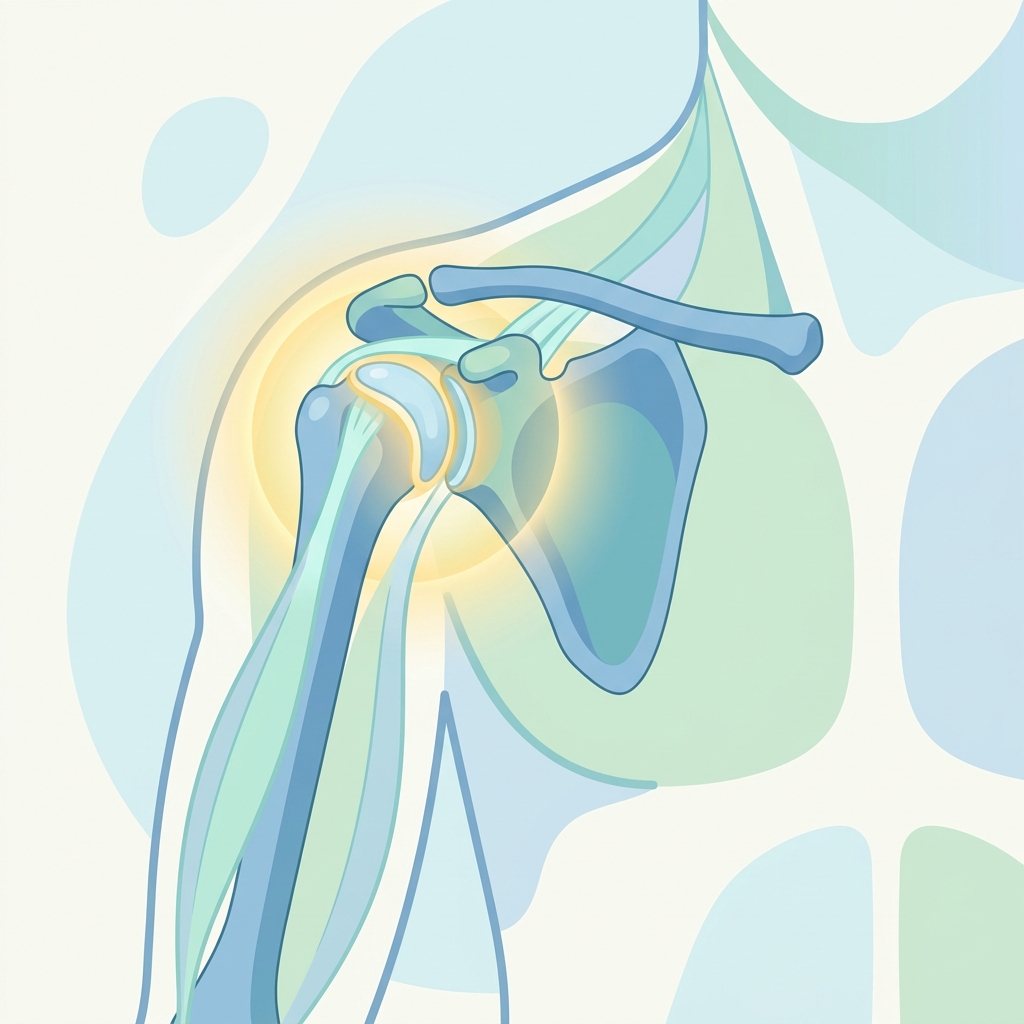
Arthroscopic Rotator Cuff Repair
Get Clear, Concise Answers to Your Top Questions About Arthroscopic Rotator Cuff Repair
Q1. What is an arthroscopic rotator cuff repair?
An arthroscopic rotator cuff repair is a minimally invasive surgery used to fix torn tendons in your shoulder. The surgeon uses a tiny camera called an arthroscope and small, specialized tools inserted through very small cuts (incisions) to reattach the torn tendon back to the bone. Because the cuts are small, patients typically experience less pain, fewer complications, and a quicker early recovery compared to traditional open surgery.
Q2. What are the main signs that I need this surgery?
You and your doctor may consider surgery if you have a rotator cuff tear that is causing significant issues. Common signs include:
- Severe shoulder pain that does not improve with physical therapy, rest, or injections.
- Persistent weakness in your arm that makes it hard to lift or perform daily activities.
- Shoulder pain that wakes you up at night, especially when lying on the affected side.
- A large or complete tear that is unlikely to heal on its own.
- A sudden, severe tear caused by a recent injury or fall.
Q3. How should I prepare my home before the surgery?
Getting your home ready before surgery will make your recovery much easier and safer. Here are some helpful tips:
- Place frequently used items in easy reach between waist and chest level so you do not have to lift your arm.
- Prepare and freeze meals ahead of time, or stock up on easy-to-prepare foods.
- Set up a comfortable reclining chair or gather extra pillows, as sleeping upright is often the most comfortable position after surgery.
- Remove tripping hazards like loose rugs, cords, or clutter from pathways.
- Buy button-front or loose-fitting shirts that are easy to put on with one arm.
Q4. What kind of anesthesia is used during the procedure?
Most patients receive a combination of general anesthesia and a regional nerve block. General anesthesia keeps you completely asleep and pain-free during the operation. The regional nerve block is an injection near the neck or shoulder that numbs the entire arm. This block helps control your pain for several hours or even a full day after the surgery, allowing you to wake up comfortably and start your recovery with minimal pain.
Q5. How does the surgeon repair the rotator cuff through small cuts?
During the procedure, the surgeon makes a few small keyhole cuts around your shoulder. They insert the arthroscope to view the inside of your joint on a screen. The surgeon cleans away any damaged tissue or bone spurs that might pinch the tendon. Then, they insert small anchors into the shoulder bone. These anchors have sutures (strong threads) attached to them, which the surgeon weaves through the torn tendon and ties securely to pull the tendon back to its proper position on the bone.
Q6. How long does the surgery take, and will I need to stay in the hospital?
The surgery itself usually takes between 1 and 2 hours, depending on the size and complexity of the tear. It is typically performed as an outpatient procedure, meaning you will go home the same day. After the surgery is finished, you will spend a few hours in the recovery room while the anesthesia wears off and the medical team monitors your vital signs before you are safely discharged to go home.
Q7. Why do I need to wear a sling after surgery, and for how long?
You must wear a protective sling to keep your shoulder still and allow the repaired tendon to heal securely to the bone. During the first few weeks, even minor movements of your arm can tear the repair. Most patients need to wear the sling full-time (including while sleeping) for 4 to 6 weeks. You should only remove it for showering, dressing, and performing gentle exercises guided by your doctor or physical therapist.
Q8. What is the best way to sleep comfortably after the procedure?
Sleeping can be challenging after shoulder surgery, but there are ways to make it more comfortable:
- Sleep in a semi-upright position in a recliner chair or propped up with pillows in bed.
- Place a small pillow under your elbow or behind your shoulder on the surgical side to keep your arm from falling backward.
- Avoid sleeping on your stomach or on the side of your operated shoulder.
- Always wear your shoulder sling while sleeping to prevent accidental movement during the night.
Q9. How can I manage my pain at home after the surgery?
Controlling your pain helps you rest and recover. Your pain management plan may include:
- Taking prescribed pain medications exactly as directed by your surgeon, especially during the first few days.
- Transitioning to over-the-counter pain relievers like acetaminophen or ibuprofen as the intense pain subsides.
- Applying ice packs to your shoulder for 20 minutes at a time, several times a day, to reduce swelling.
- Keeping your arm supported in the sling to avoid painful muscle spasms.
Q10. When can I shower and how do I care for my surgical cuts?
Your surgeon will give you specific instructions, but generally:
- Keep your cuts clean and dry for the first 3 to 5 days.
- Once permitted, you can shower by covering the incisions with waterproof bandages or plastic wrap.
- Do not scrub the cuts; let soapy water run gently over the area and pat it dry with a clean towel.
- Do not soak in a bath, hot tub, or pool until the cuts are fully healed and your surgeon says it is safe.
- Watch for signs of infection, such as increased redness, warmth, swelling, or drainage.
Q11. What exercises can I start doing right away?
In the early days after surgery, you must avoid moving your shoulder muscles. However, you should perform gentle movements for your other arm joints to prevent stiffness and improve blood flow. These include:
- Gently squeezing a soft ball or opening and closing your hand.
- Wiggling your fingers and rotating your wrist.
- Removing your arm from the sling to gently bend and straighten your elbow, keeping your upper arm relaxed at your side.
- Doing gentle neck stretches to relieve muscle tension.
Q12. When will I begin formal physical therapy?
Formal physical therapy usually begins 2 to 6 weeks after surgery, depending on your surgeon's recommendation and the size of the tear. In the beginning, your therapist will perform passive exercises, meaning they move your arm for you while your muscles stay relaxed. As the tendon heals stronger, you will move to active exercises where you move the arm yourself, followed by strengthening exercises to help you regain full function of your shoulder.
Q13. How long does the complete recovery and healing process take?
Healing is a gradual process. While most patients experience significant pain relief and improved daily function by 3 to 4 months, a full recovery can take 6 to 12 months. The tendon takes several months to firmly attach to the bone, and building back your muscle strength requires consistent effort in physical therapy. Patience and dedication to your recovery plan are key to achieving the best possible outcome.
Q14. What are the main risks associated with this surgery?
Arthroscopic rotator cuff repair is very safe, but all surgeries carry some risk. Possible complications include:
- Shoulder stiffness (also called frozen shoulder), which is usually temporary and improves with physical therapy.
- Infection at the incision sites or inside the joint.
- Nerve injury, which is rare but can cause temporary or permanent weakness or numbness.
- Re-tearing of the tendon, especially if the initial tear was very large or if you return to activities too quickly.
- Blood clots, which are rare but serious.
Q15. When can I return to driving, work, and sports?
Your return timeline depends on your healing progress and the type of activity:
- Driving: Usually allowed once you are out of the sling (typically 4 to 6 weeks) and no longer taking prescription pain medication.
- Sedentary/Desk Work: Often possible within 1 to 2 weeks, using your non-operated hand for typing.
- Physical Work: May require 3 to 6 months of recovery, depending on the amount of lifting and overhead reaching required.
- Sports and Heavy Activities: Typically resume gradually between 6 and 9 months, once your strength has fully returned.
We encourage you to write down any specific questions you have and discuss them thoroughly with your surgeon, doctor, or physical therapist. They are your best resource for personalized advice and care.
Disclaimer: This brochure provides general information and is not a substitute for professional medical advice. Always consult your doctor or qualified healthcare provider with any questions you may have regarding your specific medical condition and treatment plan.
Related articles
Browse all articlesTrusted External Resources
Curated educational materials to help you make informed decisions about your orthopaedic bone & joint conditions.

Orthopaedia

Orthogate Patient Education