Shockwave Therapy for Calcific Tendinitis
Get Clear, Concise Answers to Your Top Questions About Shockwave Therapy for Calcific Tendinitis
Q1. What is Shockwave Therapy, and how does it treat calcific tendinitis of the shoulder?
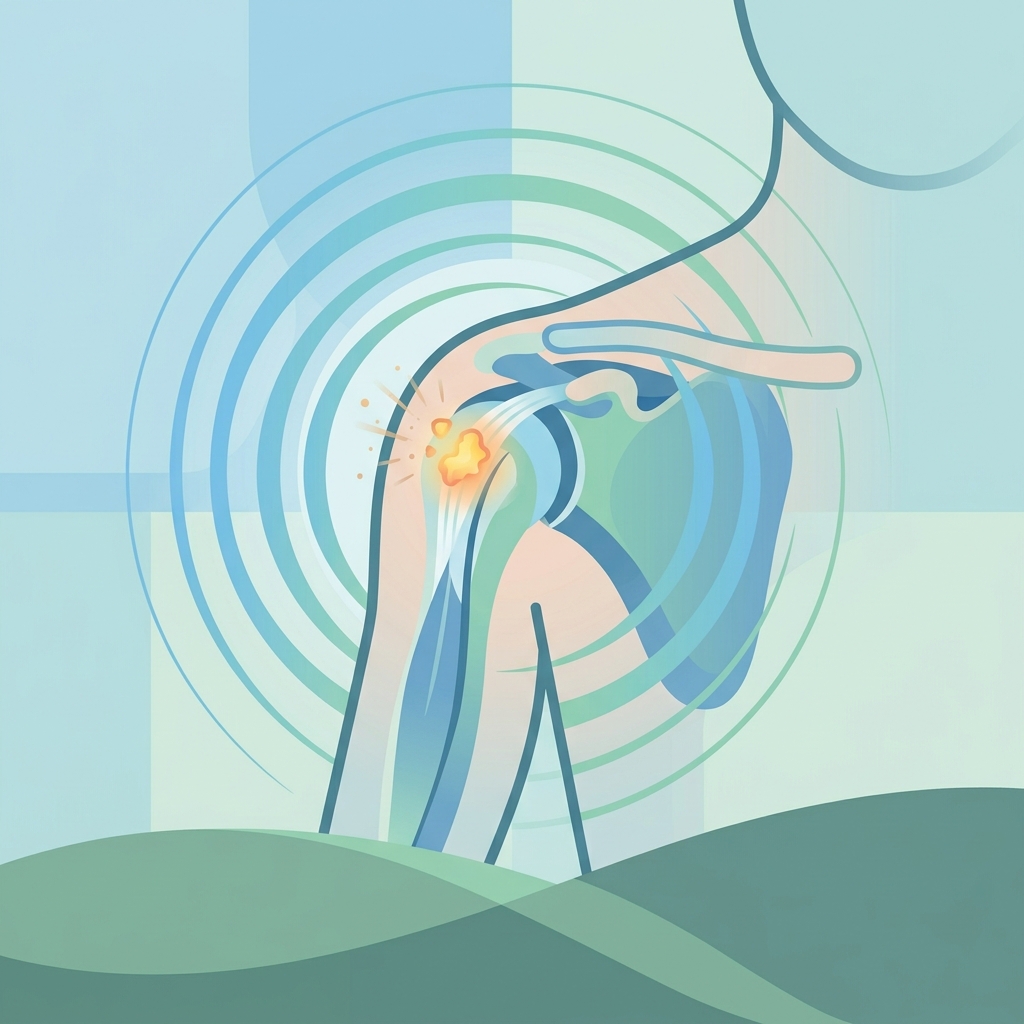
Shockwave therapy, also known as Extracorporeal Shockwave Therapy (ESWT), is a non-surgical treatment that uses high-energy sound waves to treat painful shoulder conditions like calcific tendinitis. When these gentle but powerful acoustic waves are directed at the injured area, they stimulate blood flow, accelerate the body's natural healing process, and help break down painful calcium deposits that have formed in your shoulder tendons.
Q2. What is calcific tendinitis, and why does it form in the shoulder?
Calcific tendinitis is a condition where small calcium deposits build up inside the tendons of your rotator cuff (most commonly the supraspinatus tendon). The exact cause of these deposits isn't fully understood, but they are thought to develop due to wear and tear, repetitive stress, reduced blood supply to the tendon, or natural aging. These chalk-like deposits can cause significant pressure, inflammation, and sharp pain when you move your arm.
Q3. How does shockwave therapy actually break down calcium deposits?
The acoustic waves delivered during shockwave therapy create mechanical stress on the hard calcium deposits. This mechanical energy helps soften and fragment the calcifications into tiny particles. Once broken down, your body's immune system and blood circulation naturally absorb and clear away these fragments over the following weeks, relieving the pressure and pain inside the tendon.
Q4. What happens during a typical shockwave therapy session?
During your session, you will sit or lie down comfortably. A healthcare provider will apply a warm, clear gel to your shoulder to help conduct the sound waves. They will then place the handheld shockwave device against your skin over the painful area. The device is activated, emitting clicking sounds as it delivers waves into the tissue. The provider will slowly move the device around to target the calcium deposits.
Q5. Does shockwave therapy for calcific tendinitis hurt?
You may feel some discomfort, pressure, or a deep throbbing sensation during the treatment, but it is generally well-tolerated. The intensity of the shockwaves can be adjusted based on your comfort level. The treatment starts at a lower setting and is gradually increased as you get used to the sensation. Most patients find that the discomfort resolves immediately after the session ends.
Q6. How many treatment sessions will I need?
Most patients require a series of 3 to 5 sessions, usually spaced about one week apart. This spacing allows your shoulder tissues time to heal and respond to the stimulation between treatments. Your doctor will assess your progress and determine the exact number of sessions needed based on the size of the deposit and your response.
Q7. How long does each shockwave therapy session take?
The actual application of the shockwaves takes only about 10 to 15 minutes. With preparation and positioning, your entire appointment will typically last 20 to 30 minutes, making it a highly convenient option that fits easily into a busy schedule.
Q8. What are the main benefits of choosing shockwave therapy over surgery?
Shockwave therapy offers several major advantages over surgical options:
- It is entirely non-invasive, meaning there are no incisions, stitches, or scars.
- It requires no anesthesia, avoiding associated risks.
- There is virtually no downtime, allowing you to return to light daily activities immediately.
- It has a very low risk of infection or other surgical complications.
Q9. Are there any side effects or risks associated with shockwave therapy?
Side effects are rare and generally mild. Some patients experience temporary redness, mild swelling, bruising, numbness, or a temporary increase in soreness in the treated area for a few days. These symptoms are normal signs of the body's inflammatory healing response and typically resolve on their own within 2 to 5 days.
Q10. Who is a good candidate for shockwave therapy?
Good candidates are patients diagnosed with calcific tendinitis who have had pain for at least three months and have not found relief with initial conservative treatments like rest, ice, anti-inflammatory medications, or physical therapy. It is not recommended for pregnant women, individuals with blood clotting disorders or taking blood thinners, patients with active infections, or those with cardiac pacemakers.
Q11. What is the success rate of shockwave therapy for calcific tendinitis?
Clinical studies show that shockwave therapy is highly effective, with success rates ranging from 70% to 85% in reducing pain and improving shoulder mobility. X-rays taken after treatment often show significant reduction or complete disappearance of the calcium deposits within a few months of completing the therapy.
Q12. What should I do or avoid doing immediately after a treatment session?
After a session, you can return to your normal daily activities, but you should avoid strenuous heavy lifting, high-impact exercise, or intense shoulder workouts for 48 hours. We also advise against using ice or taking anti-inflammatory medications (like ibuprofen) immediately after treatment, as these can interfere with the beneficial inflammatory response that shockwave therapy stimulates to heal the tendon.
Q13. How long does it take to see improvements and feel pain relief?
Some patients feel immediate, temporary pain relief due to a numbing effect from the shockwaves. However, the true healing process takes time. Most patients start noticing a lasting reduction in pain and improved range of motion about 4 to 6 weeks after their final session, with improvements continuing for up to 3 months.
Q14. Can I continue doing physical therapy or exercises during my treatment?
Yes, shockwave therapy is often combined with a structured physical therapy or home exercise program. Gentle stretching and strengthening exercises help maintain your shoulder's range of motion, improve muscle function around the joint, and support the long-term recovery of the tendon. Always consult your therapist to ensure your exercises align with your treatment schedule.
Q15. What are my options if shockwave therapy does not resolve the calcium deposits?
If shockwave therapy does not provide sufficient relief, other options include ultrasound-guided barbotage (a procedure where the calcium is washed out using a needle) or a minimally invasive arthroscopic surgical procedure to remove the calcium deposits and repair any associated damage to the tendon. Your orthopaedic specialist will discuss these alternatives to help you find the best path forward.
We encourage you to write down any specific questions you have and discuss them thoroughly with your surgeon, doctor, or physical therapist. They are your best resource for personalized advice and care.
Disclaimer: This brochure provides general information and is not a substitute for professional medical advice. Always consult your doctor or qualified healthcare provider with any questions you may have regarding your specific medical condition and treatment plan.

Related articles
Browse all articlesTrusted External Resources
Curated educational materials to help you make informed decisions about your orthopaedic bone & joint conditions.

Orthopaedia
Orthogate Patient Education