
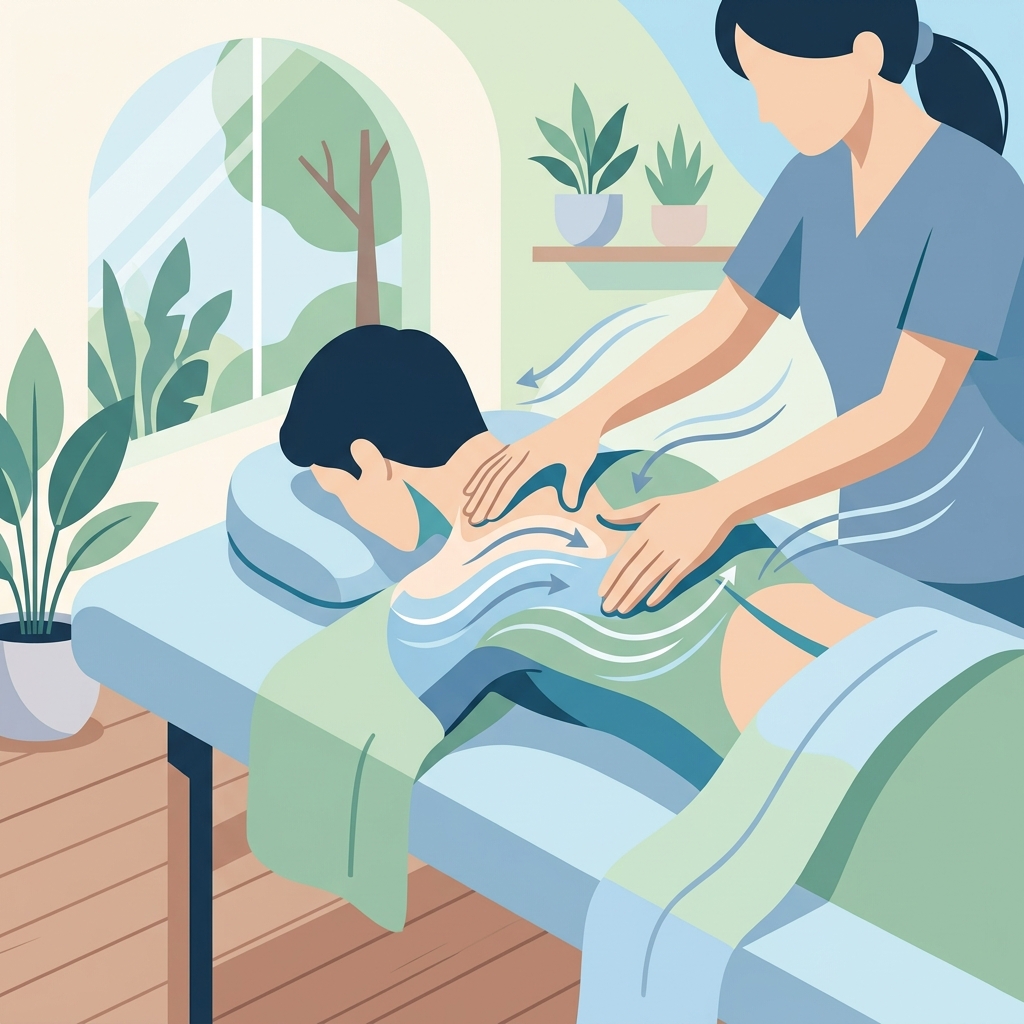
Massage Therapy for Shoulder Pain
Get Clear, Concise Answers to Your Top Questions About Massage Therapy for Shoulder Pain
Q1. What is massage therapy, and how can it help with shoulder pain?
Massage therapy involves the hands-on manipulation of soft tissues like muscles and tendons. For shoulder pain, it relaxes tight muscles, increases blood flow, and reduces stiffness, helping to ease discomfort and improve mobility.
Q2. How does massage therapy work to relieve pain and muscle tension in the shoulder?
Massage therapy relieves shoulder pain through several key mechanisms:
- Relieving muscle spasms: Targeted pressure releases tension in tight muscles like the trapezius and rotator cuff.
- Improving circulation: Physical manipulation increases blood flow, delivering oxygen and nutrients to damaged tissues.
- Reducing inflammation: Massage helps lower inflammatory markers and stress hormones.
- Stimulating endorphins: It promotes the release of endorphins, the body's natural painkillers.
Q3. What types of massage are most effective for shoulder pain?
Several massage techniques are commonly used to treat shoulder pain:
- Swedish Massage: Uses gentle, gliding strokes to promote relaxation and relieve mild tension.
- Deep Tissue Massage: Targets deeper muscle layers to release chronic tightness and knots.
- Trigger Point Therapy: Focuses on specific tight spots within a muscle that cause radiating pain.
- Myofascial Release: Applies sustained pressure to stretch and release restrictions in connective tissue.
Q4. What shoulder conditions can benefit most from massage therapy?
Massage therapy is highly beneficial for several conditions, including:
- Muscle strain: Overuse or injury of the shoulder muscles.
- Rotator cuff tendinitis: Inflammation of the rotator cuff tendons.
- Adhesive capsulitis (Frozen Shoulder): Helps reduce muscle guarding and stiffness.
- Shoulder impingement: Eases muscle tension to help restore normal joint movement.
- Postural tension: Tightness caused by prolonged sitting or poor posture.
Q5. Is massage therapy a cure for shoulder pain, or just a temporary fix?
Massage therapy is not a cure for structural issues like complete tendon tears or severe arthritis. It is a supportive treatment that provides temporary relief from pain and stiffness, creating a recovery window for you to perform physical therapy exercises for long-term healing.
Q6. What should I expect during my first shoulder massage session?
Your therapist will review your symptoms and medical history. You will lie on a massage table, draped with a sheet. Only the shoulder area will be uncovered. The therapist will use oils or lotions and apply pressure based on your comfort level. Always speak up if the pressure is painful.
Q7. How often do I need to get massage therapy to see results for my shoulder pain?
Frequency depends on your condition. For acute tension, 1 to 3 weekly sessions may suffice. For chronic pain, your therapist may suggest weekly sessions for a few weeks, then transitioning to monthly maintenance sessions as your shoulder heals.
Q8. Are there any risks or side effects associated with massage therapy for the shoulder?
Massage is very safe when done by a registered professional, but minor side effects can include:
- Temporary soreness: Mild tenderness for 24 to 48 hours after deep tissue work.
- Fatigue: Feeling tired or relaxed immediately after a session.
- Skin irritation: Mild sensitivity to massage oils or lotions.
Q9. When should massage therapy be avoided for shoulder pain?
Avoid massage therapy if you have any of the following:
- Acute joint dislocation or fracture: These require immediate medical stabilization.
- Severe inflammation or infection: Active infections or open wounds.
- Blood clots: A history of deep vein thrombosis in the area.
- Recent surgery: Avoid massage near surgical incisions until cleared by your surgeon.
Q10. Can I perform self-massage at home to help relieve shoulder pain?
Yes, self-massage is helpful. You can gently knead the upper trapezius muscle with your opposite hand, or place a tennis ball between your shoulder blade and a wall, rolling gently to release tight muscle knots.
Q11. How does massage therapy fit into a broader shoulder treatment plan?
Massage works best alongside other therapies. While massage relaxes muscles and reduces pain, physical therapy exercises build the strength and stability your shoulder needs to stay healthy and prevent future pain.
Q12. Should I see a registered massage therapist (RMT) or can I go to any spa?
For therapeutic relief, see a Registered Massage Therapist (RMT). RMTs have clinical training in anatomy and orthopaedic conditions, allowing them to treat your shoulder issue safely and effectively, unlike general spa therapists.
Q13. Will my health insurance cover massage therapy for my shoulder?
Many private insurance plans cover massage therapy when performed by an RMT. Some providers require a doctor's referral. Check with your insurance company to confirm your coverage details and referral requirements.
Q14. What should I do after a massage session to maximize the benefits?
To help your shoulder recover after your massage:
- Stay hydrated: Drink water to flush out metabolic waste.
- Apply gentle heat: Use a warm bath or heating pad to keep muscles relaxed.
- Avoid heavy lifting: Rest your shoulder muscles for the rest of the day.
- Perform gentle stretches: Do light stretches recommended by your therapist.
Q15. When should I contact my doctor if my shoulder pain does not improve after massage therapy?
Consult your doctor or orthopedic specialist if you experience:
- Worsening pain: Severe pain that does not improve after 48 hours.
- Inability to move: A sudden decrease in your ability to lift your arm.
- Numbness or tingling: Nerve symptoms traveling down your arm.
- No improvement: No relief after 4 to 6 regular massage sessions.
We encourage you to write down any specific questions you have and discuss them thoroughly with your surgeon, doctor, or physical therapist. They are your best resource for personalized advice and care.
Disclaimer: This brochure provides general information and is not a substitute for professional medical advice. Always consult your doctor or qualified healthcare provider with any questions you may have regarding your specific medical condition and treatment plan.

Related articles
Browse all articlesTrusted External Resources
Curated educational materials to help you make informed decisions about your orthopaedic bone & joint conditions.

Orthopaedia

Orthogate Patient Education