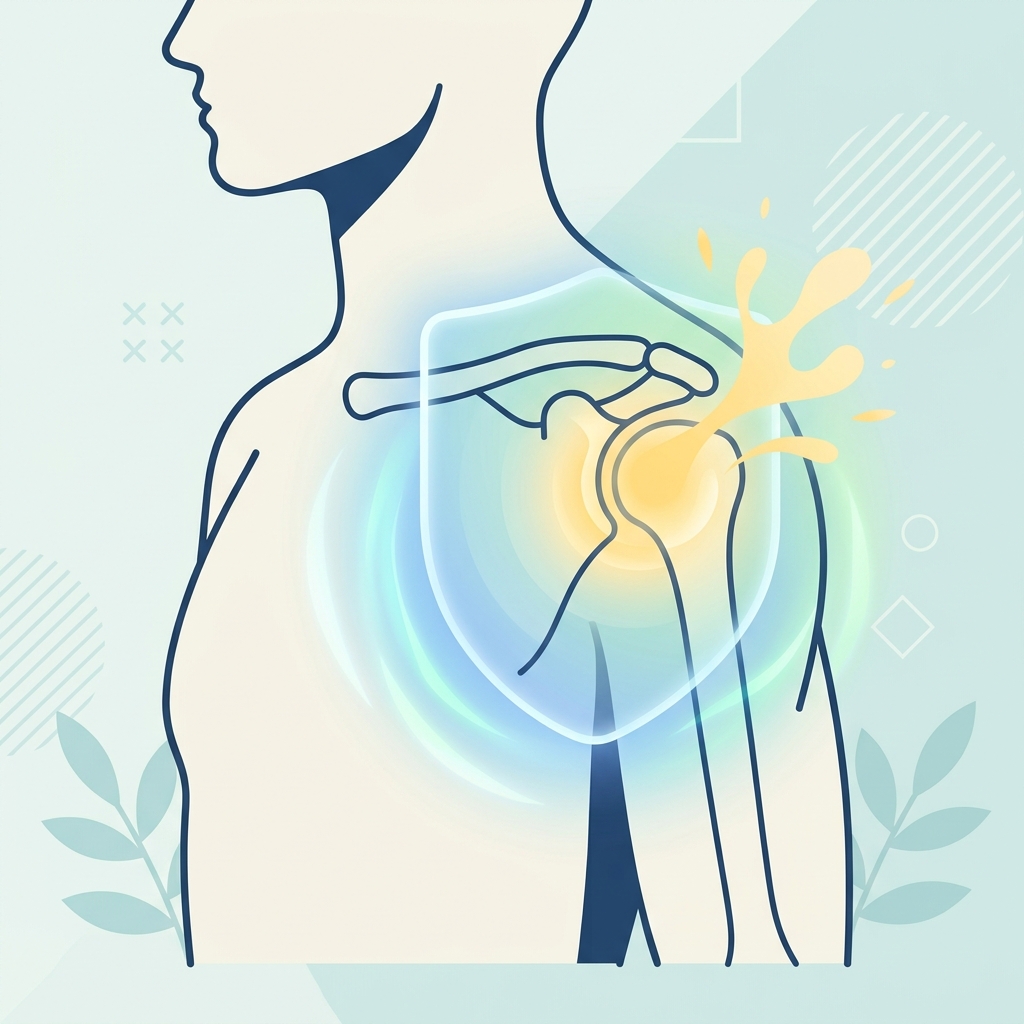
Anti-inflammatory Medications (NSAIDs) for Shoulder Pain
Get Clear, Concise Answers to Your Top Questions About Anti-inflammatory Medications (NSAIDs) for Shoulder Pain
Q1. What are NSAIDs and how do they help with shoulder pain?
NSAIDs stand for Non-Steroidal Anti-inflammatory Drugs. They are a class of medications that help lower pain, reduce swelling, and decrease inflammation in your body. When you have a shoulder injury or condition, your joint tissues can become inflamed, which causes pain and stiffness. NSAIDs work by blocking the chemicals in your body that cause this inflammation, helping your shoulder feel better and move more easily.
Q2. What are the most common types of NSAIDs used for shoulder pain?
There are several types of NSAIDs available. Some can be bought over-the-counter (OTC) without a prescription, while others require a doctor's prescription. Common options include:
- Ibuprofen (Advil, Motrin): A widely available over-the-counter medicine for mild to moderate pain.
- Naproxen (Aleve): An over-the-counter option that lasts longer, typically requiring only two doses a day.
- Celecoxib (Celebrex): A prescription NSAID designed to be gentler on the stomach.
- Meloxicam (Mobic): A prescription once-daily NSAID often used for joint pain and arthritis.
- Diclofenac (Voltaren): Available as a prescription pill or as an over-the-counter topical gel.
Q3. How do oral NSAIDs differ from topical NSAIDs (creams or gels)?
Oral NSAIDs (pills) are swallowed and go through your entire system, meaning they can treat pain throughout your body. Topical NSAIDs (like Voltaren Gel) are rubbed directly onto the skin over your painful shoulder. Topical options deliver the medicine right to the sore joint, meaning very little of it enters your bloodstream. This greatly reduces the risk of stomach upset, heart issues, or kidney side effects compared to oral pills.
Q4. Are NSAIDs effective for all types of shoulder conditions?
NSAIDs are highly effective for conditions where inflammation is the main cause of pain. They are commonly used for:
- Rotator cuff tendonitis or bursitis (irritation of the shoulder tendons or fluid-filled sacs).
- Shoulder osteoarthritis (wear-and-tear of the joint cartilage).
- Mild shoulder sprains or strains.
However, NSAIDs do not heal structural damage like large tendon tears or mechanical blocks in the joint. In those cases, they help manage the pain but will not cure the underlying problem.
Q5. How quickly do NSAIDs start relieving shoulder pain?
For simple pain relief, oral NSAIDs usually start working within 30 to 60 minutes. However, if you are trying to reduce chronic swelling and deep-seated inflammation, it can take up to one to two weeks of consistent, daily use to build up enough medicine in your system to see the full benefits. Topical gels may provide a localized cooling and soothing sensation within 15 to 30 minutes.
Q6. Can I take NSAIDs every day for my shoulder pain?
You can take NSAIDs daily for a short period—usually a few days to two weeks—under proper guidance. Taking them every day for several weeks or months without medical supervision is not recommended. Long-term daily use increases the risk of serious side effects, such as stomach ulcers, kidney damage, and high blood pressure. If you need daily pain relief for more than two weeks, consult your healthcare provider.
Q7. What are the common side effects of oral NSAIDs?
While NSAIDs are generally safe when used as directed, they can cause side effects, especially if taken in high doses or for a long time. Common side effects include:
- Stomach upset, heartburn, nausea, or abdominal pain.
- Mild headaches or dizziness.
- Fluid retention or swelling in the ankles and feet.
- An increase in blood pressure.
Q8. Who should avoid or be cautious about taking NSAIDs?
Certain individuals have a much higher risk of complications from NSAIDs. You should talk to your doctor before taking NSAIDs if you have a history of:
- Stomach ulcers, reflux, or gastrointestinal bleeding.
- Kidney disease or liver disease.
- Heart disease, high blood pressure, or a history of stroke.
- Asthma (some people with asthma can have severe breathing issues triggered by NSAIDs).
- Pregnancy, especially in the third trimester.
Q9. Can I take NSAIDs if I am already taking other medications?
NSAIDs can interact with several common medications, which can lead to dangerous side effects. Be cautious if you are taking:
- Blood thinners (like aspirin, warfarin, or apixaban): Combining these with NSAIDs significantly increases the risk of internal bleeding.
- Blood pressure medicines: NSAIDs can make these medications less effective and strain the kidneys.
- Corticosteroids (like prednisone): Taking these with NSAIDs increases the risk of stomach ulcers.
- Other NSAIDs: Taking two different NSAIDs at the same time (like ibuprofen and naproxen) increases side effects without providing extra pain relief.
Q10. Is it safe to combine NSAIDs with other pain relievers like acetaminophen (Tylenol)?
Yes, under proper medical guidance. NSAIDs and acetaminophen work differently in the body. NSAIDs target inflammation and local pain, while acetaminophen acts on the brain's pain centers. Because they do not interact directly, they can sometimes be taken together or alternated to manage severe pain. Always follow the package instructions and do not exceed the daily limits for either drug.
Q11. How do food and alcohol interact with NSAIDs?
Taking oral NSAIDs with food or milk is highly recommended because it helps protect your stomach lining and prevents nausea or heartburn. On the other hand, you should limit or avoid alcohol while taking oral NSAIDs. Alcohol irritates the stomach lining, and combining it with NSAIDs drastically increases the risk of stomach bleeding and ulcers.
Q12. What should I do if NSAIDs do not relieve my shoulder pain?
If you have taken NSAIDs consistently for a week and feel no improvement, or if your pain is getting worse, stop taking them and contact your doctor. This could mean your injury is more severe (such as a full tendon tear) or requires a different treatment approach, such as physical therapy, cortisone injections, or an MRI scan to get an accurate diagnosis.
Q13. Do NSAIDs heal the underlying cause of shoulder pain, or do they just mask it?
NSAIDs help control pain and inflammation, which allows your body to rest and recover more comfortably. By lowering inflammation, they can also make it easier for you to participate in physical therapy, which is what ultimately heals and strengthens the shoulder. However, NSAIDs do not repair torn tissue or reverse structural joint wear; they are a management tool rather than a structural cure.
Q14. What are the signs of a serious side effect or allergic reaction to NSAIDs?
You should stop taking NSAIDs immediately and seek emergency medical attention if you experience any of the following symptoms:
- Black, tarry stools or vomiting blood (signs of stomach bleeding).
- Chest pain, shortness of breath, slurred speech, or sudden weakness on one side of your body.
- Severe swelling of the face, lips, tongue, or throat, or a sudden skin rash.
- Unexplained weight gain or severe swelling of the ankles (signs of kidney strain).
Q15. How should I discuss using NSAIDs for my shoulder pain with my doctor?
When speaking with your healthcare provider, make sure to bring a list of all your current medications and health conditions. Ask them:
- Which specific NSAID is safest and most effective for my shoulder pain?
- What is the correct dose and how many times a day should I take it?
- How many days should I continue taking this medication?
- Are there any signs of side effects I should watch out for?
We encourage you to write down any specific questions you have and discuss them thoroughly with your surgeon, doctor, or physical therapist. They are your best resource for personalized advice and care.
Disclaimer: This brochure provides general information and is not a substitute for professional medical advice. Always consult your doctor or qualified healthcare provider with any questions you may have regarding your specific medical condition and treatment plan.

Related articles
Browse all articlesTrusted External Resources
Curated educational materials to help you make informed decisions about your orthopaedic bone & joint conditions.

Orthopaedia
Orthogate Patient Education