
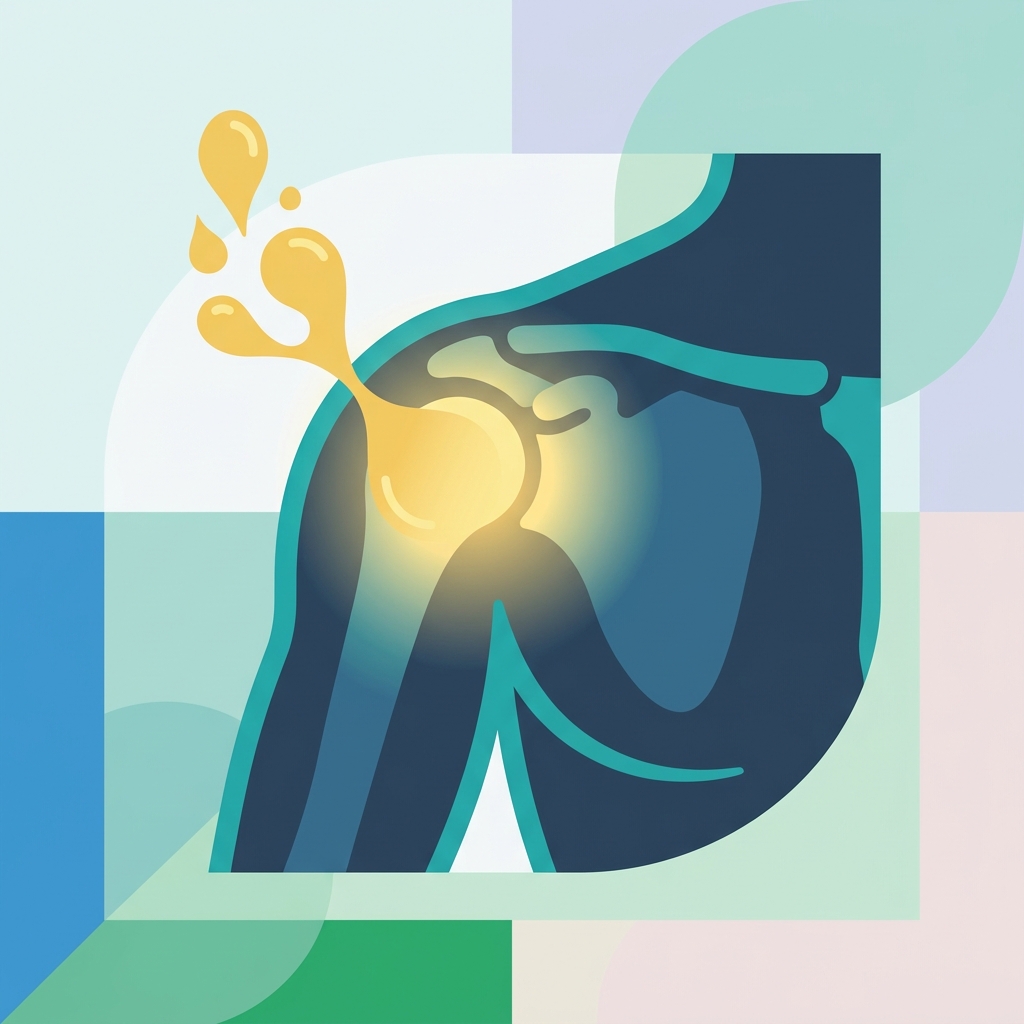
Platelet-Rich Plasma (PRP) Injections for Rotator Cuff Tear
Get Clear, Concise Answers to Your Top Questions About Platelet-Rich Plasma (PRP) Injections for Rotator Cuff Tear
Q1. What is Platelet-Rich Plasma (PRP) therapy?
Platelet-Rich Plasma (PRP) is a treatment that uses your own blood to promote healing. Platelets are cells in your blood that help with clotting and contain special proteins called growth factors, which are crucial for tissue repair. To make PRP, a doctor draws a small amount of your blood and spins it in a centrifuge. This separates and concentrates the platelets and plasma from the rest of the blood cells. The resulting concentrated plasma, rich in platelets, is then injected directly into the injured area.
Q2. How does PRP help treat a rotator cuff tear?
When injected into a damaged rotator cuff tendon, the high concentration of growth factors in PRP helps stimulate and speed up your body's natural healing process. It works by attracting repair cells to the site of the tear, improving blood supply to the tendon, and reducing long-term inflammation. This can help repair partial tears, strengthen the tendon, and relieve pain.
Q3. Who is a suitable candidate for PRP injections for a rotator cuff tear?
PRP is typically recommended for patients who have:
- Partial-thickness rotator cuff tears.
- Rotator cuff tendinopathy or tendinitis (chronic inflammation/wear).
- Mild-to-moderate shoulder pain that hasn't improved with rest, physical therapy, or activity changes.
- A desire to avoid or delay surgery, or who are not good candidates for surgery.
Q4. Can a PRP injection heal a full-thickness rotator cuff tear?
A PRP injection cannot fully repair or reattach a complete, full-thickness tear where the tendon has entirely detached from the bone. Full-thickness tears usually require surgery to physically reattach the tendon. However, in some cases, PRP might be used alongside surgery to improve tissue healing, or it may be used to manage pain and improve function in patients who cannot undergo surgery.
Q5. How is the PRP injection procedure performed?
The procedure is simple and done in an outpatient setting, taking about 30 to 45 minutes:
- First, a small amount of blood is drawn from your arm, just like a standard blood test.
- The blood is spun in a centrifuge for about 15 minutes to concentrate the platelets.
- Your shoulder area is cleaned and numbed with a local anesthetic.
- The doctor uses ultrasound imaging to guide the needle directly into the torn or damaged area of your rotator cuff tendon.
- The concentrated PRP is injected into the target site.
Q6. Is the PRP injection painful, and is anesthesia used?
You will feel a pinch when the blood is drawn and when the local numbing medicine is injected into your shoulder skin. During the PRP injection itself, you may feel pressure or a temporary increase in soreness in the joint. A local anesthetic is used on the skin and surrounding tissues to minimize discomfort, but it is not injected directly into the tendon with the PRP because anesthetics can sometimes interfere with the platelets' effectiveness.
Q7. What are the potential side effects and risks of PRP therapy?
Because PRP is made from your own blood, the risk of an allergic reaction or disease transmission is virtually zero. However, as with any injection, there are minor risks, which include:
- Temporary increase in pain and stiffness at the injection site for a few days.
- Very low risk of infection.
- Slight bleeding or bruising.
- Temporary numbness or irritation of nearby nerves.
Q8. Why must I avoid anti-inflammatory medications (NSAIDs) before and after PRP treatment?
PRP relies on your body's natural inflammatory response to kickstart the healing process. Anti-inflammatory medications (like ibuprofen, naproxen, aspirin, and Celebrex) block inflammation, which can stop the PRP from working effectively. You should stop taking these medications for at least 7 to 10 days before the injection and for about 4 to 6 weeks after, as advised by your healthcare team. Tylenol (acetaminophen) is generally safe to use for pain relief instead.
Q9. What should I do to prepare for my PRP injection?
To prepare for the procedure:
- Stop taking all anti-inflammatory medications (NSAIDs) and blood-thinning supplements (like fish oil or vitamin E) at least 7 to 10 days before the injection.
- Stay well-hydrated by drinking plenty of water in the 24 hours leading up to your appointment, which makes drawing blood easier.
- Arrange for someone to drive you home after the procedure, as your shoulder may feel sore or stiff.
Q10. What is the immediate recovery protocol after the injection?
Immediately after your injection, you should:
- Rest your arm and avoid any heavy lifting or strenuous activities for the first 24 to 48 hours.
- Apply ice to the shoulder for 10 to 15 minutes at a time to manage discomfort. Do not use heat.
- Use Tylenol (acetaminophen) for pain relief if needed, but avoid NSAIDs.
- Keep the injection site clean and dry for 24 hours.
Q11. When can I start physical therapy or resume regular shoulder exercises after PRP?
You should rest the shoulder from structured exercise for the first week. After about 7 to 14 days, you can usually start a gentle, supervised physical therapy program focusing on range of motion. Passive stretching is followed by progressive strengthening as the tendon heals. Heavy lifting and sports should be avoided for at least 4 to 6 weeks, or until your doctor clears you.
Q12. How long does it take to notice improvement, and how many injections are needed?
PRP is not an instant pain reliever. Because it relies on tissue regeneration, most patients begin to notice improvement in pain and mobility after 4 to 6 weeks, with continued healing over several months. While many patients get significant relief from a single injection, a series of 2 to 3 injections spaced a few weeks apart may be recommended depending on the size and severity of the tear.
Q13. How do PRP injections compare to corticosteroid (cortisone) injections for rotator cuff tears?
While both treatments aim to reduce pain, they work very differently:
- Cortisone Injections provide rapid, powerful temporary pain relief by shutting down inflammation. However, they do not heal the tissue and can actually weaken tendons over time if used repeatedly.
- PRP Injections take longer to work because they stimulate active tissue repair and healing. PRP is designed to provide long-lasting, durable relief by strengthening the tendon without the risk of weakening the tissue.
Q14. Are PRP injections covered by health insurance or provincial plans?
In most regions, PRP injections are considered elective or experimental, and they are typically not covered by standard provincial health insurance plans (like OHIP) or most private insurance policies. Patients usually pay out-of-pocket for the procedure. It is best to check directly with your private insurance provider to see if they offer any coverage or health spending accounts that can be used.
Q15. What is the success rate of PRP injections for rotator cuff tears?
Clinical studies show that PRP injections have a success rate of about 70% to 80% for patients with partial-thickness rotator cuff tears and tendinopathy. Success is measured by a significant reduction in pain and a noticeable improvement in shoulder function and strength. Results are best when the injection is combined with a dedicated physical therapy program.
We encourage you to write down any specific questions you have and discuss them thoroughly with your surgeon, doctor, or physical therapist. They are your best resource for personalized advice and care.
Disclaimer: This brochure provides general information and is not a substitute for professional medical advice. Always consult your doctor or qualified healthcare provider with any questions you may have regarding your specific medical condition and treatment plan.

Related articles
Browse all articlesTrusted External Resources
Curated educational materials to help you make informed decisions about your orthopaedic bone & joint conditions.

Orthopaedia

Orthogate Patient Education