
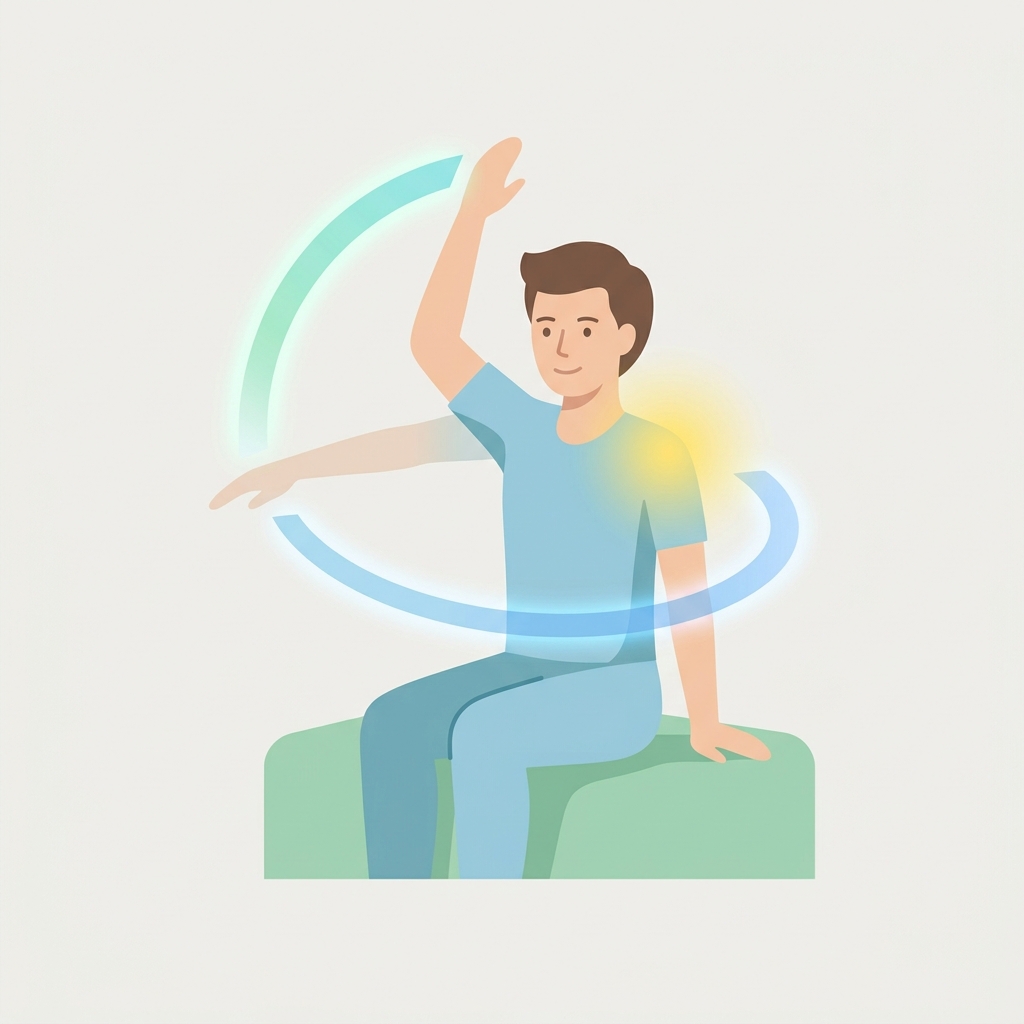
Physical Therapy for Shoulder Pain
Get Clear, Concise Answers to Your Top Questions About Physical Therapy for Shoulder Pain
Q1. What is physical therapy (PT) for shoulder pain, and how does it help?
Physical therapy is a structured, non-surgical treatment program designed to restore mobility, build strength, and reduce pain in the shoulder joint. A physical therapist evaluates your movement patterns, identifies muscle weaknesses or joint stiffness, and creates a customized plan of exercises, stretches, and manual therapies to help you heal and prevent future injury.
Q2. What shoulder conditions can be treated with physical therapy?
Physical therapy is highly effective for a wide range of shoulder issues, including:
- Rotator cuff tears and tendinitis
- Shoulder impingement syndrome
- Adhesive capsulitis (frozen shoulder)
- Shoulder instability and dislocations
- Arthritis of the shoulder joint
- Post-fracture recovery and pre-operative preparation
Q3. How does physical therapy reduce shoulder pain?
PT reduces pain through several mechanisms:
- Restoring normal joint mechanics to relieve pressure on sensitive structures
- Strengthening the surrounding muscles to support the shoulder joint
- Improving blood flow to promote tissue healing
- Reducing inflammation and muscle tension using techniques like manual therapy, stretching, heat, or ice
Q4. What should I expect during my initial physical therapy evaluation?
During your first visit, the therapist will:
- Discuss your medical history, symptoms, and functional goals
- Assess your shoulder's active and passive range of motion
- Test the strength of your rotator cuff and scapular stabilizer muscles
- Examine your posture, neck, and upper back movement
- Develop a personalized treatment plan based on these findings
Q5. What kinds of treatments and exercises will my therapist use?
Your treatment plan may include a combination of:
- Passive modalities: Heat, cold packs, ultrasound, or electrical stimulation for pain relief.
- Manual therapy: Hands-on joint mobilization, stretching, and soft tissue massage.
- Active exercises: Targeted movements to strengthen the rotator cuff, shoulder blade, and core.
- Functional training: Re-training movements for daily activities, sports, or work tasks.
Q6. Will physical therapy make my shoulder pain worse?
It is common to feel some mild muscle soreness or discomfort after therapy sessions, especially when starting new exercises. However, physical therapy should not cause sharp, severe, or worsening pain. You should always communicate your pain levels to your therapist so they can adjust the intensity and selection of your exercises.
Q7. How often will I need to attend physical therapy sessions?
The frequency of your visits depends on the severity of your condition and your doctor's recommendations. Typically, patients attend therapy 1 to 3 times per week. Sessions generally last 45 to 60 minutes.
Q8. How long does a physical therapy program for shoulder pain take?
Most non-surgical shoulder rehabilitation programs last between 6 and 12 weeks. Mild issues like mild impingement may resolve in 4 to 6 weeks, while chronic conditions, severe rotator cuff tears, or frozen shoulder can require several months of consistent therapy.
Q9. What is a home exercise program (HEP), and why is it important?
A home exercise program is a set of customized exercises and stretches provided by your therapist to perform on your own between sessions. Compliance with your home program is critical, as healing and muscle re-education require daily consistency that cannot be achieved through clinic visits alone.
Q10. Can physical therapy help me avoid shoulder surgery?
Yes. For many common shoulder conditions, such as rotator cuff tears, impingement, and mild osteoarthritis, high-quality physical therapy has been shown to produce long-term outcomes equivalent to surgery. Trying a comprehensive course of physical therapy is often recommended before considering surgical options.
Q11. What is the difference between active and passive physical therapy?
Active physical therapy requires your physical participation, such as performing strengthening exercises, stability drills, and active stretching. Passive physical therapy involves treatments performed on you by the therapist or a machine, such as manual joint mobilization, massage, heat, ice, or dry needling. While passive therapy helps manage pain, active therapy is essential for long-term recovery and function.
Q12. Should I do physical therapy if I am scheduled for surgery?
Yes, this is often called \"pre-habilitation\" or \"pre-hab.\" Improving your shoulder's strength and range of motion before surgery can:
- Speed up your post-operative recovery
- Prepare your body for the physical demands of rehab after surgery
- Help you learn post-operative exercises and precautions in advance
Q13. Are there any risks or complications associated with physical therapy?
Physical therapy is exceptionally safe when guided by a licensed professional. Minor risks include:
- Temporary muscle soreness or joint stiffness
- Mild, temporary increases in inflammation if an exercise is progressed too quickly
- Minor skin irritation from modalities like tape, heat, or electrical stimulation pads
Q14. How do I know if my physical therapy is working?
Signs of successful rehabilitation include:
- A gradual decrease in your daily pain levels and night pain
- Improved ease and range of motion when reaching overhead or behind your back
- Increased strength and tolerance when lifting or carrying objects
- Enhanced ability to perform daily routines, sleep comfortably, and return to recreational activities
Q15. What should I do if my shoulder pain does not improve with physical therapy?
If you do not see noticeable improvement in pain or function after 6 to 8 weeks of consistent, active participation in physical therapy, you should consult your orthopaedic specialist. They may recommend diagnostic imaging (like an MRI or ultrasound), corticosteroid injections, or surgical evaluation to explore other treatment avenues.
We encourage you to write down any specific questions you have and discuss them thoroughly with your surgeon, doctor, or physical therapist. They are your best resource for personalized advice and care.
Disclaimer: This brochure provides general information and is not a substitute for professional medical advice. Always consult your doctor or qualified healthcare provider with any questions you may have regarding your specific medical condition and treatment plan.

Related articles
Browse all articlesTrusted External Resources
Curated educational materials to help you make informed decisions about your orthopaedic bone & joint conditions.

Orthopaedia

Orthogate Patient Education