Proximal Humerus ORIF Protocol
Phase-by-phase post-operative rehabilitation protocol for Proximal Humerus ORIF (Open Reduction Internal Fixation) to guide recovery and physical therapy.
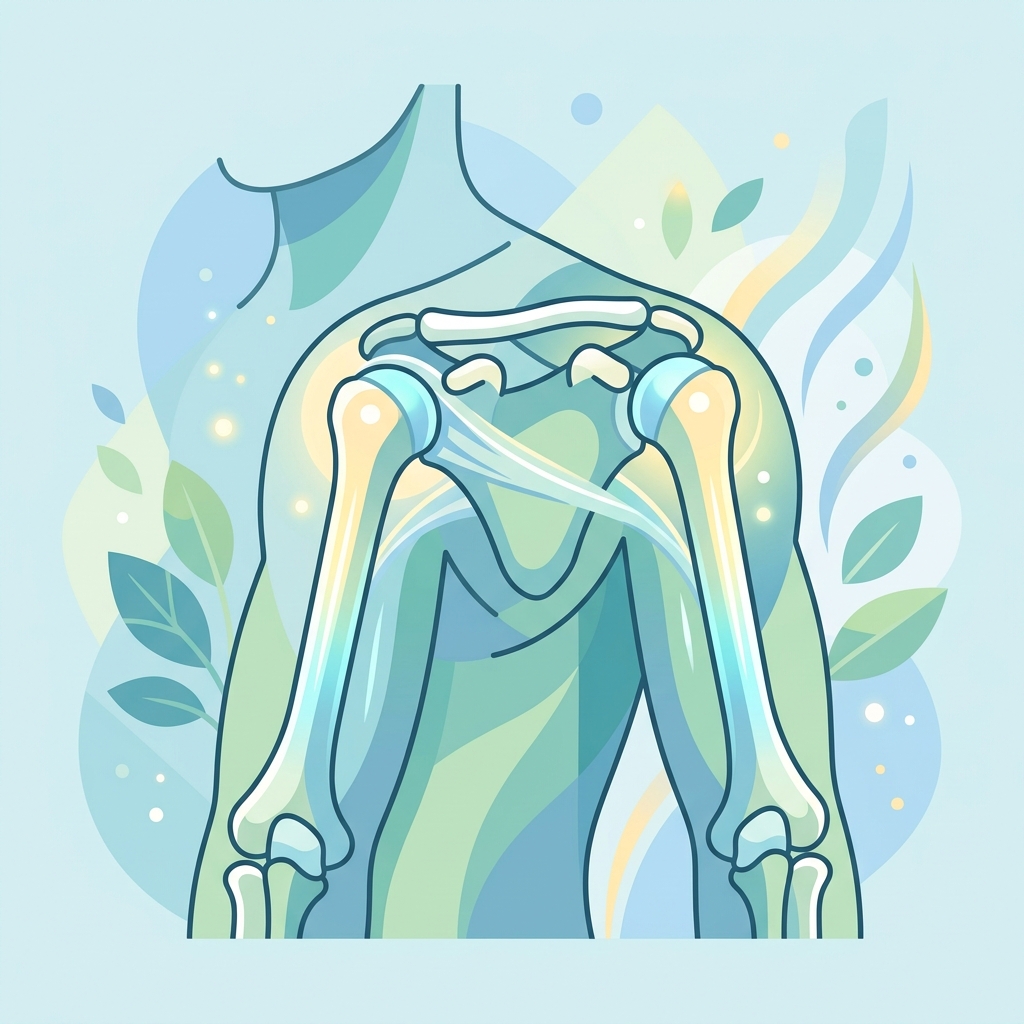
Open Reduction Internal Fixation (ORIF) of a proximal humerus fracture is a surgical procedure performed to realign and stabilize fractured bone fragments in the upper arm using plates and screws. A structured, progressive rehabilitation program is vital to protect the healing bone and surgical hardware while gradually restoring range of motion, strength, and functional independence of the shoulder. This protocol balances protecting the surgical fixation with safe, early motion to prevent stiffness.
Phase 1: Protection and Passive Range of Motion (Weeks 0-4)
The primary focus of this phase is to protect the surgical fixation and healing bone while minimizing pain and inflammation. Gentle passive movements are introduced to prevent joint stiffness without stressing the healing structures.
- Goals:
- Protect the surgical fixation and healing bone.
- Minimize post-operative pain, inflammation, and swelling.
- Initiate early, protected passive range of motion (PROM) to prevent stiffness.
- Maintain mobility of the cervical spine, elbow, wrist, and hand.
- Precautions & Restrictions:
- Sling must be worn at all times, including during sleep. Remove only for hygiene and designated physical therapy exercises.
- No active range of motion (AROM) of the surgical shoulder.
- No lifting, pushing, or pulling with the surgical arm.
- No weight bearing through the surgical arm.
- Avoid sudden or jerky movements.
- Limit passive forward flexion to 90 degrees and passive external rotation (ER) in the scapular plane to 30 degrees (unless otherwise specified by the surgeon).
- Suggested Exercises:
- Pendulum (Codman's) exercises for gentle joint mobilization.
- Active range of motion (AROM) for the elbow, wrist, and hand (without resistance).
- Grip strengthening (e.g., squeezing a soft ball).
- Passive range of motion (PROM) in supine: forward flexion to 90 degrees, external rotation in the scapular plane to 30 degrees.
- Gentle scapular retraction and elevation (shrugs) in the sling.
- Criteria to Progress:
- Out of the immediate post-operative window (typically at 4 weeks).
- Adequate healing and stable hardware verified on radiographic check (x-rays) by the surgeon.
- Well-controlled pain and swelling.
- Passive forward flexion to 90 degrees and passive external rotation to 30 degrees without sharp pain.
Phase 2: Active-Assisted & Active Range of Motion (Weeks 4-8)
During this phase, the patient is gradually transitioned out of the sling, and movement progresses from passive to active-assisted and active. Exercises focus on establishing normal scapulohumeral rhythm and early muscle recruitment.
- Goals:
- Gradually wean from the sling (usually discontinued by weeks 4-6).
- Progress from passive to active-assisted (AAROM) and active range of motion (AROM).
- Re-establish normal scapulohumeral rhythm during active arm elevation.
- Initiate light, non-resistive rotator cuff and scapular stabilization.
- Precautions & Restrictions:
- No resisted shoulder exercises or heavy lifting (no carrying objects heavier than 5 pounds).
- Avoid pushing through sharp pain or compensating (e.g., shrugging the shoulder to raise the arm).
- Ensure correct posture during all movements.
- Suggested Exercises:
- Gradual weaning from the sling under therapist supervision.
- Active-assisted range of motion (AAROM) using a wand, cane, or wall slides (flexion, abduction, and external rotation).
- Active range of motion (AROM) in the scapular plane (scaption) and flexion as pain allows, starting in supine or sidelying and progressing to standing.
- Scapular stabilization exercises: rows, shrugs, and punches (serratus anterior press) without resistance.
- Submaximal, pain-free isometric exercises for the rotator cuff (ER, IR, abduction) with the arm at the side.
- Criteria to Progress:
- Sling discontinued completely.
- Full active-assisted forward flexion to 120-140 degrees.
- Active external rotation to 45 degrees.
- Normal scapulohumeral rhythm during active elevation without compensatory shoulder hiking.
Phase 3: Progressive Strengthening & Resistance (Weeks 8-12)
This phase emphasizes rebuilding dynamic shoulder stability, endurance, and strength. Progressive resistance training is introduced, and active range of motion is advanced toward full capacity.
- Goals:
- Restore full active range of motion (AROM) in all planes.
- Initiate progressive resistance exercises (PREs) for the rotator cuff, deltoid, and scapular stabilizers.
- Rebuild dynamic shoulder stability and muscle endurance.
- Re-establish full functional mobility for daily activities.
- Precautions & Restrictions:
- Avoid lifting objects heavier than 10-15 pounds.
- Do not perform high-impact or sudden loading exercises.
- Maintain strict postural control during resisted exercises; discontinue any movement that causes pain at the fracture site.
- Suggested Exercises:
- Progression to full active range of motion (AROM) in all planes.
- Rotator cuff strengthening using light resistance bands or dumbbells (sidelying external rotation, standing internal/external rotation, and scaption).
- Periscapular strengthening with resistance bands or light weights (rows, lat pulldowns, chest press).
- Closed-chain stabilization exercises (e.g., wall slides, table weight shifts, quadruped rocking) to improve proprioception.
- Light functional lifting and carrying drills.
- Criteria to Progress:
- Pain-free active range of motion matching or close to the uninvolved side.
- Rotator cuff and scapular strength rated at least 4+/5.
- Stable radiographic healing of the fracture.
- No pain or instability during daily functional tasks.
Phase 4: Advanced Strengthening & Functional Return (Weeks 12-18+)
Rehabilitation in this final phase focuses on advanced strengthening, power, and return to demanding work or sports activities. Exercises are designed to prepare the shoulder for unrestricted, high-velocity movements.
- Goals:
- Maximize shoulder strength, power, and muscular endurance.
- Optimize dynamic neuromuscular control in all planes of motion.
- Safely transition back to heavy lifting, manual labor, or recreational sports.
- Establish a long-term home conditioning and maintenance program.
- Precautions & Restrictions:
- Avoid rapid load progression or premature return to high-risk contact sports.
- Monitor for joint soreness or fatigue; modify activities if symptoms arise.
- Suggested Exercises:
- Advanced progressive resistance training (overhead pressing in the scapular plane, push-ups, pulling exercises).
- Dynamic stabilization and perturbation training (rhythmic stabilization at various angles of elevation).
- Plyometric exercises (light medicine ball tosses, wall dribbles) if returning to sports.
- Work- or sport-specific functional training drills.
- Criteria to Progress (Full Unrestricted Release):
- Completion of 16-18 weeks post-surgery.
- Symmetrical active range of motion and strength (at least 90% of the uninvolved side).
- Functional tests completed without pain, compensation, or apprehension.
- Surgeon's clearance for full activity.
These guidelines represent a standard rehabilitation protocol. Individual recovery rates vary significantly depending on the size of the repair, bone/tissue quality, and general patient health. Your surgeon may modify this protocol specifically for you.
Disclaimer: This protocol is for educational purposes and is not a substitute for professional medical advice. Always consult your surgeon or physical therapist before performing any exercises or modifying activity restrictions.

Related articles
Browse all articlesTrusted External Resources
Curated educational materials to help you make informed decisions about your orthopaedic bone & joint conditions.

Orthopaedia
Orthogate Patient Education