Posterior Capsule Tightness
Get Clear, Concise Answers to Your Top Questions About Posterior Capsule Tightness
Q1: What is Shoulder Posterior Capsule Tightness?
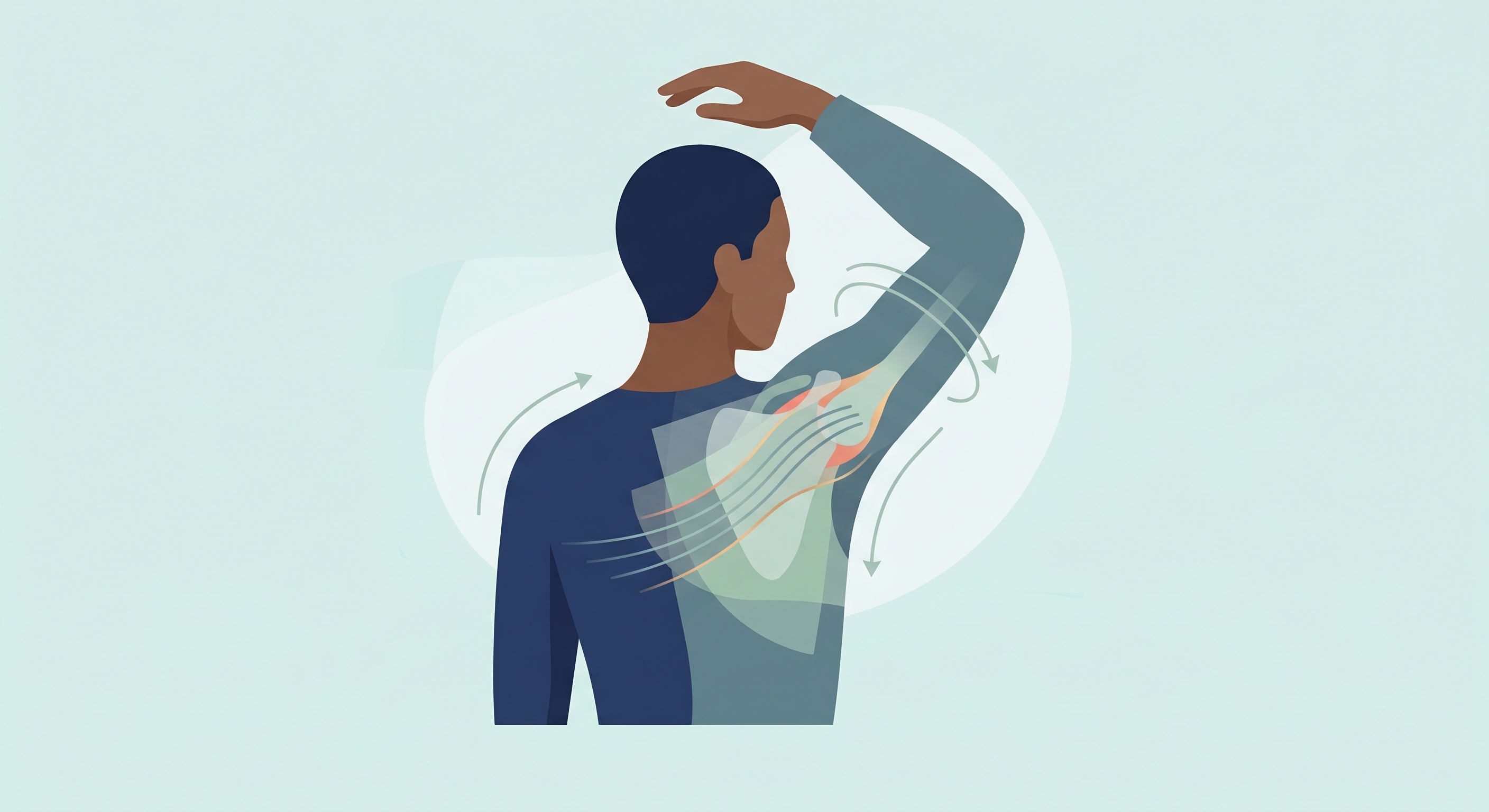
The shoulder joint is surrounded by a strong bag-like structure called the joint capsule. This capsule helps hold your arm bone (humerus) in the shoulder socket (glenoid). The "posterior capsule" refers to the back part of this capsule. When it becomes tight, it can restrict your shoulder's normal movement, especially when reaching across your body or rotating your arm inwards.
Q2: What causes Posterior Capsule Tightness?
Tightness in the posterior capsule can develop for several reasons. It's common in overhead athletes (like baseball pitchers or tennis players) due to repetitive stress. It can also occur from:
- Poor posture
- Muscle imbalances around the shoulder
- Following an injury or surgery that leads to decreased shoulder movement
- Conditions like "frozen shoulder" (adhesive capsulitis)
Q3: What are the common symptoms?
The main symptoms include:
- Pain in the back of the shoulder, especially during or after activities involving overhead arm movements or reaching across the body.
- Reduced ability to move your arm inwards across your body (like reaching for your opposite shoulder blade).
- Decreased internal rotation of the shoulder.
- Sometimes, a feeling of "catching" or "clicking" in the shoulder.
- Weakness in the shoulder muscles.
Q4: How is it diagnosed?
Your doctor will diagnose posterior capsule tightness by:
- Taking a detailed medical history: Asking about your symptoms, activities, and any past injuries.
- Performing a physical examination: They will assess your shoulder's range of motion, strength, and check for tenderness or specific movements that cause pain. Special tests may be used to identify tightness in the posterior capsule.
- Imaging tests (sometimes): X-rays, MRI, or ultrasound may be used to rule out other conditions like rotator cuff tears or arthritis, but they don't directly show capsule tightness.
Q5: What are the non-surgical treatment options?
Non-surgical approaches are usually the first line of treatment and are often very effective. These include:
- Physical Therapy: This is crucial and involves specific stretching exercises to loosen the posterior capsule and improve flexibility. It also includes strengthening exercises for the surrounding shoulder muscles to improve stability and posture.
- Pain Relief Medications: Over-the-counter pain relievers like ibuprofen or naproxen can help reduce pain and inflammation. Your doctor might prescribe stronger medications if needed.
- Heat or Cold Therapy: Applying ice packs can help reduce pain and swelling, especially after exercises or activities. Heat can help relax tight muscles before stretching.
- Activity Modification: Temporarily avoiding activities that worsen your pain can help the shoulder heal.
Q6: What does physical therapy involve?
Physical therapy will focus on:
- Stretching: Specific stretches like the "sleeper stretch" or "cross-body adduction stretch" are key to lengthening the posterior capsule.
- Strengthening: Exercises for the rotator cuff muscles and muscles that stabilize your shoulder blade are vital for long-term shoulder health.
- Posture Correction: Addressing any postural issues that might contribute to your shoulder problem.
- Manual Therapy: Your physical therapist may use hands-on techniques to mobilize your shoulder joint and surrounding tissues.
Q7: When is surgery considered?
Surgery for posterior capsule tightness is rare and typically only considered if:
- Non-surgical treatments have not provided significant relief after a dedicated period (usually 6-12 months).
- The tightness is severely limiting your daily activities or athletic performance.
- There are other associated shoulder problems that require surgical intervention.
Q8: What does the surgical procedure involve (if applicable)?
If surgery is deemed necessary, it's usually an arthroscopic posterior capsular release. This is a minimally invasive "keyhole" procedure where the surgeon makes small incisions. A tiny camera is inserted to view the inside of the shoulder joint, and small instruments are used to carefully release or cut some of the tight fibers of the posterior capsule. The goal is to restore normal range of motion.
Q9: What are the potential risks of surgery?
While generally safe, all surgeries carry some risks. For arthroscopic posterior capsular release, potential risks include:
- Infection
- Bleeding
- Nerve or blood vessel damage
- Persistent stiffness or pain
- Recurrence of tightness
- Complications from anesthesia
Q10: What do I need to do before treatment/surgery?
Before starting any treatment, especially if surgery is being considered:
- Discuss all your medications, allergies, and medical conditions with your doctor.
- Follow any pre-operative instructions, such as fasting before surgery.
- Stop smoking, if applicable, as it can hinder healing.
- Arrange for support during your recovery, especially if you live alone.
Q11: What can I expect immediately after treatment/surgery?
After physical therapy, you might experience some muscle soreness. After surgery:
- You will likely have some pain, which will be managed with medication.
- Your arm may be in a sling for a short period to protect the shoulder.
- You will typically start gentle exercises or passive range of motion with your physical therapist very soon after surgery.
Q12: How long is the typical recovery period?
The recovery time varies greatly depending on the severity of your condition and whether you had surgery.
- Non-surgical treatment: You may see improvement within weeks to a few months, but consistent stretching and exercises are key for long-term relief. Full resolution can take 3-6 months or more.
- After surgery: Initial recovery may take several weeks, but full recovery and return to activity can take 3-6 months or longer, requiring dedicated physical therapy.
Q13: How will pain be managed?
Pain will be managed with a combination of approaches:
- Medications: Over-the-counter pain relievers, prescription pain medications, and anti-inflammatory drugs.
- Ice/Heat: As mentioned earlier, these can provide significant relief.
- Physical Therapy: As your mobility improves and muscles strengthen, pain often decreases.
Q14: What can I do at home to help my recovery?
- Follow your physical therapy program diligently: Consistency is crucial for improving range of motion and strength.
- Apply ice or heat: As recommended by your doctor or physical therapist.
- Take medications as prescribed: To manage pain and inflammation.
- Maintain good posture: Be mindful of your posture throughout the day, especially when sitting at a desk or using electronic devices.
- Listen to your body: Don't push through sharp pain. Gradually increase activity as tolerated.
Q15: When can I expect to return to daily activities, work, driving, and sports?
This timeline is highly individual and depends on your progress.
- Daily activities: You may be able to resume light daily activities within days to a few weeks, even after surgery, with modifications.
- Driving: Typically, you can drive when you are no longer taking strong pain medication and can safely control your vehicle (e.g., steer, shift gears, react quickly). This might be a few weeks after surgery.
- Work: Return to work depends on the physical demands of your job. Sedentary jobs may be resumed sooner than jobs requiring heavy lifting or repetitive arm movements.
- Sports: A gradual return to sports, especially overhead or contact sports, will be guided by your physical therapist and doctor. This can take several months, often 4-6 months or more, after surgery to ensure proper healing and strength.
We encourage you to write down any specific questions you have and discuss them thoroughly with your surgeon, doctor, or physical therapist. They are your best resource for personalized advice and care.
Disclaimer: This brochure provides general information and is not a substitute for professional medical advice. Always consult your doctor or qualified healthcare provider with any questions you may have regarding your specific medical condition and treatment plan.

Related articles
Browse all articlesTrusted External Resources
Curated educational materials to help you make informed decisions about your orthopaedic bone & joint conditions.

Orthopaedia
Orthogate Patient Education