
Biceps Tendonitis
Get Clear, Concise Answers to Your Top Questions About Biceps Tendonitis
Q1: What is Biceps Tendonitis?
Biceps tendonitis, also called bicipital tendonitis, is an inflammation or irritation of the long head of the biceps tendon. This tendon connects your biceps muscle (the muscle at the front of your upper arm) to the top of your shoulder. It's often caused by overuse or repetitive motions.
Q2: What causes Biceps Tendonitis?
Biceps tendonitis often develops from repetitive overhead activities, common in sports like swimming, tennis, or baseball, or certain jobs. It can also be caused by:
- General wear and tear as you age
- Sudden injury or fall
- Poor posture or technique during activities
- Shoulder impingement or rotator cuff tears (which can put extra strain on the biceps tendon)
Q3: What are the common symptoms of Biceps Tendonitis?
Common symptoms include:
- Pain in the front of the shoulder, often a deep ache
- Pain that worsens with overhead activities, lifting, or reaching
- Tenderness to the touch in the front of the shoulder
- A clicking or snapping sensation in the shoulder
- Weakness in the shoulder or arm, especially when bending the elbow or twisting the forearm
- Pain that may spread down into the main part of the biceps muscle
Q4: How is Biceps Tendonitis diagnosed?
Your doctor will start by taking a detailed medical history and asking about your symptoms and activities. A physical exam is very important, as your doctor will check your shoulder's range of motion, strength, and tenderness. In some cases, X-rays or MRI scans may be used to rule out other problems or check for related shoulder issues like rotator cuff tears.
Q5: What are the non-surgical treatment options for Biceps Tendonitis?
Most cases of biceps tendonitis improve with non-surgical treatments, which may include:
- Rest: Avoiding activities that worsen your pain. A sling might be used temporarily.
- Ice: Applying ice packs to the affected area for 15-20 minutes several times a day to reduce pain and swelling.
- Medications: Over-the-counter pain relievers like NSAIDs (e.g., ibuprofen, naproxen) can help with pain and inflammation. Your doctor might prescribe stronger medications if needed.
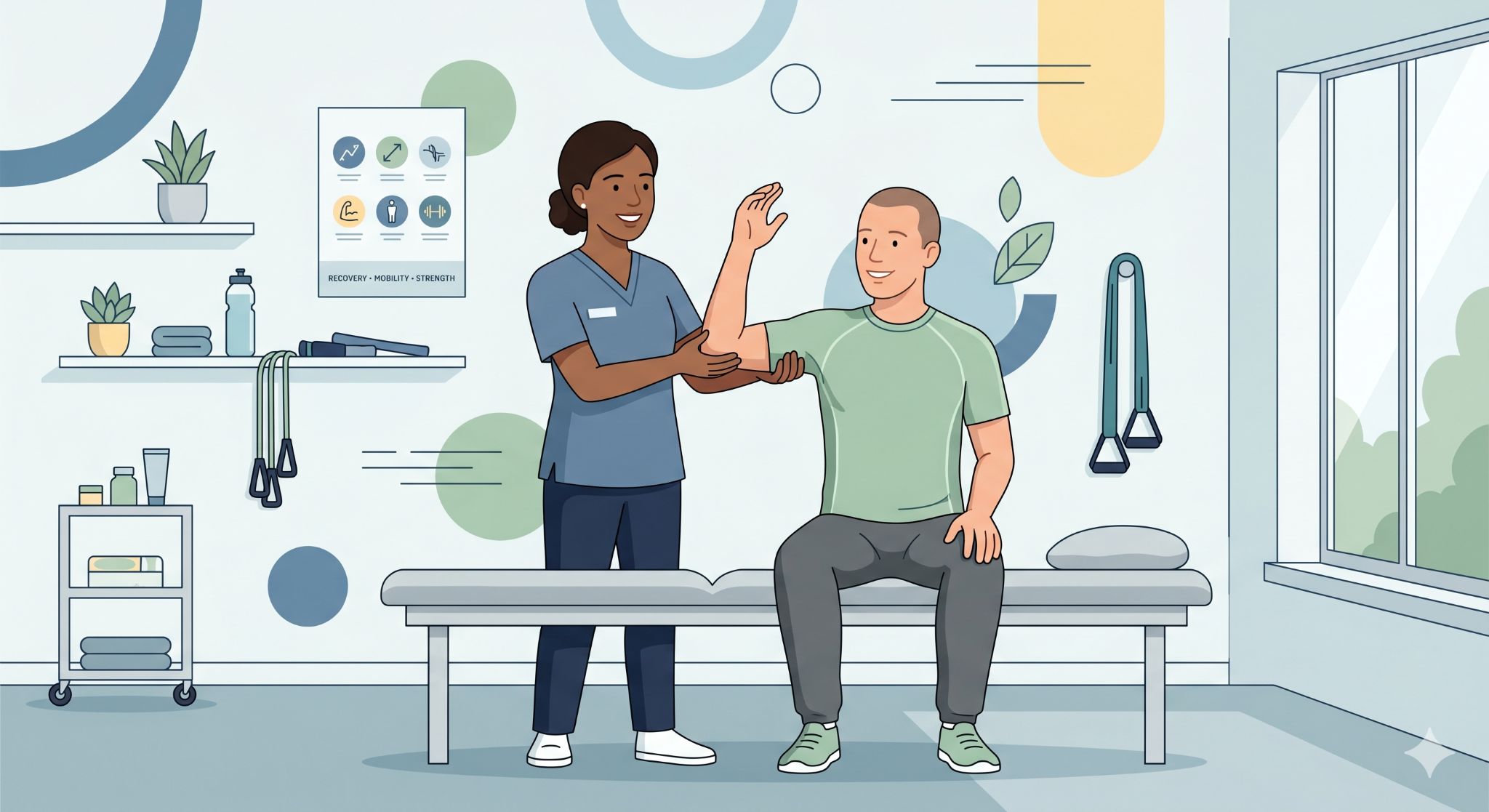
- Physical Therapy: Exercises to improve shoulder flexibility, strength, and range of motion. This is crucial for recovery and preventing recurrence.
- Injections: Corticosteroid injections can help reduce inflammation and pain, but they are typically used sparingly due to potential side effects.
Q6: What does Physical Therapy involve for Biceps Tendonitis?
Physical therapy aims to reduce pain, improve flexibility, and strengthen the muscles around your shoulder. This can include:
- Gentle stretching exercises to improve range of motion.
- Strengthening exercises for the biceps, rotator cuff, and shoulder blade muscles.
- Manual therapy techniques to improve joint movement.
- Education on proper body mechanics and activity modification to prevent re-injury.
Q7: How will my pain be managed during recovery?
Pain management is a key part of your recovery. It often involves:
- Rest and Activity Modification: Avoiding movements that trigger pain.
- Ice Application: Regularly applying ice to reduce swelling and numb the area.
- Medications: As mentioned, over-the-counter or prescription pain relievers and anti-inflammatory drugs.
- Physical Therapy: As you regain strength and flexibility, pain should decrease.
- Injections: If conservative methods are insufficient, your doctor might consider a corticosteroid injection.
Q8: What can I do at home to help my recovery?
- Follow R.I.C.E.: Rest, Ice, Compression (if advised by your doctor), and Elevation (keeping your arm propped up).
- Take medications as prescribed: Adhere to the dosage and schedule.
- Perform home exercises: Consistent and correct execution of exercises given by your physical therapist is vital.
- Avoid aggravating activities: Listen to your body and avoid movements that increase your pain.
- Maintain good posture: This helps reduce strain on your shoulder.
Q9: When is surgery considered for Biceps Tendonitis?
Surgery is typically considered if non-surgical treatments do not provide relief after several months, or if there is a significant tear in the biceps tendon or associated problems like a rotator cuff tear that needs repair.
Q10: What does the surgical procedure involve for Biceps Tendonitis?
The most common surgical procedures for biceps tendonitis involve:
- Biceps Tenodesis: The damaged part of the biceps tendon is detached from its original attachment point in the shoulder and reattached to the humerus (upper arm bone) in a new location, usually lower down. This helps relieve pain and stabilize the tendon.
- Biceps Tenotomy: In some cases, especially for older, less active individuals, the long head of the biceps tendon may simply be cut (released) from its attachment in the shoulder. While this can relieve pain, it may result in a "Popeye" muscle deformity where the biceps muscle bunches up.
Both procedures are often performed arthroscopically (using small incisions and a camera).
Q11: What are the potential risks of surgery?
As with any surgery, there are potential risks, including:
- Infection
- Bleeding
- Nerve damage
- Stiffness or continued pain
- Failure of the tendon to heal
- "Popeye" deformity (more common with tenotomy)
- Complications related to anesthesia
Your surgeon will discuss these risks with you in detail.
Q12: What can I expect immediately after surgery?
- You will likely have your arm in a sling or brace to protect the repair.
- Pain medication will be prescribed to manage discomfort.
- Swelling and bruising are common.
- You will receive instructions on wound care and activity restrictions.
- Early physical therapy, often focusing on gentle range of motion, may begin shortly after surgery.
Q13: How long is the typical recovery period after surgery?
Recovery time varies depending on the individual, the severity of the condition, and the type of surgery performed.
- Sling/Brace: Typically worn for 4-6 weeks.
- Rehabilitation: Physical therapy usually lasts for several months, gradually progressing from gentle exercises to strengthening.
- Return to daily activities: Lighter activities may resume in 2-3 weeks.
- Return to work: Desk jobs may be possible in 2-3 weeks; jobs requiring lifting or physical exertion may take 3-4 months or longer.
- Return to sports: Full return to sports, especially overhead activities, can take 4-6 months or even up to 9-12 months for heavy lifting.
Q14: What warning signs should I watch out for and report to my doctor immediately?
Contact your doctor immediately if you experience:
- Increased or uncontrolled pain
- Fever or chills
- Redness, warmth, increased swelling, or pus from the incision site (if applicable)
- Numbness or tingling in your hand or fingers
- Significant weakness that wasn't present before
- A sudden "pop" or tearing sensation after surgery
Q15: What is the expected long-term outlook for Biceps Tendonitis?
The long-term outlook for biceps tendonitis is generally good, especially with proper treatment and adherence to rehabilitation. Most people experience significant pain relief and improved function. However, it's important to continue with strengthening and flexibility exercises to prevent recurrence. In some cases, particularly with chronic conditions or certain surgical procedures, some weakness or a cosmetic change (like the "Popeye" muscle) may persist.
We encourage you to write down any specific questions you have and discuss them thoroughly with your surgeon, doctor, or physical therapist. They are your best resource for personalized advice and care.
Disclaimer: This brochure provides general information and is not a substitute for professional medical advice. Always consult your doctor or qualified healthcare provider with any questions you may have regarding your specific medical condition and treatment plan.

Related articles
Browse all articlesTrusted External Resources
Curated educational materials to help you make informed decisions about your orthopaedic bone & joint conditions.

Orthopaedia
Orthogate Patient Education