
Arthroscopic Debridement
Get Clear, Concise Answers to Your Top Questions About Arthroscopic Debridement
Q1. What is arthroscopic shoulder debridement?
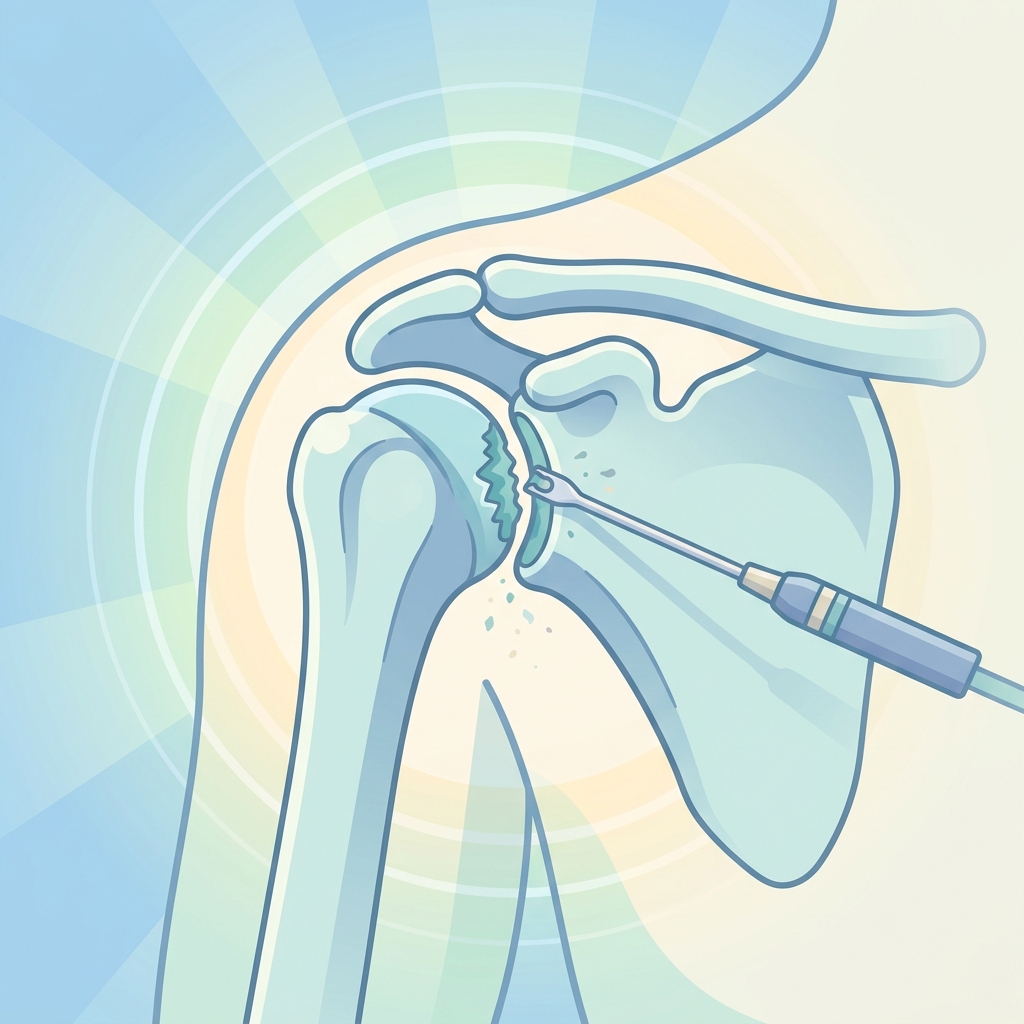
Arthroscopic shoulder debridement is a minimally invasive surgery performed using an arthroscope (a small camera) and specialized micro-instruments. The surgeon inserts these through tiny \"keyhole\" incisions in the shoulder. The goal is to clean out the joint by removing frayed or torn cartilage, inflamed synovial tissue, loose fragments, and irritating bone spurs that cause pain and limit motion.
Q2. Why is arthroscopic debridement performed?
This procedure is recommended when conservative treatments like physical therapy, medication, and injections fail to provide relief. Common conditions treated with debridement include:
- Mild to moderate shoulder osteoarthritis (smoothing rough cartilage)
- Frayed or partially torn rotator cuff tendons
- Frayed labral tissue (the cartilage ring surrounding the socket)
- Chronic bursitis or synovitis (inflammation of the joint lining)
- Subacromial impingement (cleaning out tissue to reduce pinching)
- Loose bone or cartilage fragments floating inside the joint
Q3. How is the procedure performed?
The surgeon makes two or three small incisions (about 5-10 millimeters each) around your shoulder. A sterile fluid is pumped into the joint to expand it, providing a clear view. The arthroscope projects images of the inside of your joint onto a monitor. Using tiny instruments like shavers, burrs, and probes, the surgeon carefully removes damaged or inflamed tissue, smooths out rough surfaces, and washes out debris. Once complete, the incisions are closed with sutures or adhesive strips and covered with a dressing.
Q4. What type of anesthesia is used for this surgery?
Most patients receive a combination of general anesthesia and a regional nerve block. The general anesthesia keeps you asleep and pain-free during the procedure. The regional nerve block is injected near the base of your neck to numb the arm and shoulder. This block provides excellent pain relief for 12 to 24 hours after surgery, allowing you to wake up comfortably and manage early post-operative pain.
Q5. How long does the surgery take, and is it an outpatient procedure?
The surgery itself typically takes between 30 and 60 minutes, depending on the amount of debridement required. It is almost always performed as an outpatient (same-day) procedure. This means you will go home a few hours after the surgery once the anesthesia wears off, your pain is well controlled, and you can safely tolerate fluids.
Q6. What are the common risks and complications of arthroscopic debridement?
Arthroscopic debridement is a very safe procedure with a low rate of complications. However, as with any surgery, risks exist and can include:
- Infection at the incision sites or inside the joint
- Bleeding or excessive swelling in the shoulder
- Temporary or permanent nerve injury affecting sensation or strength
- Persistent stiffness (frozen shoulder) if rehabilitation is delayed
- Failure to completely relieve pain, especially if underlying arthritis is severe
- Blood clots in the arm (extremely rare)
Q7. Will I need to wear a sling after surgery, and for how long?
Yes, you will wake up wearing a sling. For a simple debridement, the sling is primarily for comfort and protection during the first few days when your arm is numb from the nerve block. Most patients only need to wear the sling for 3 to 7 days, removing it for exercises, showering, and resting in a safe position. Your surgeon will give you specific guidelines based on the exact work done inside your joint.
Q8. How is pain managed after the procedure?
A multi-modal approach is used to keep you comfortable:
- Regional nerve block: Provides initial numbness for the first day.
- Oral medications: Prescription pain medicine is provided for the first few days. Over-the-counter anti-inflammatories (like ibuprofen) and acetaminophen are used as pain decreases.
- Ice therapy: Applying cold packs to the shoulder for 20 minutes at a time, several times a day, helps reduce swelling and numbs the pain.
- Activity modification: Avoiding lifting, reaching, and overhead movements protects the joint and prevents pain flare-ups.
Q9. What is the best position for sleeping after shoulder debridement?
Sleeping flat on your back can put pressure on the healing shoulder and increase pain. Most patients find it much more comfortable to sleep in a semi-reclined position (about 45 degrees) for the first 1 to 2 weeks. You can use a recliner chair or prop yourself up in bed with several pillows. Placing a small pillow behind your elbow or under your forearm on the operative side can also help prevent the shoulder from dropping backward and causing discomfort.
Q10. How should I care for my incisions, and when can I shower?
Keep your dressings clean and dry for the first 2 to 3 days. You can shower once you replace the original bulky dressings with waterproof bandages, or after the incisions are sealed. When showering, let water run gently over the shoulder without rubbing, and pat the area completely dry. Do not soak the shoulder in a tub, pool, or hot tub until the incisions are fully healed and any sutures have been removed (usually at your 10-14 day follow-up appointment).
Q11. When will I start physical therapy, and what does it involve?
Gentle home exercises, such as pendulum swings and finger/wrist movements, are started the day after surgery to prevent stiffness. Formal physical therapy usually begins within 1 to 2 weeks post-op. Initial therapy focuses on restoring passive range of motion. As your pain subsides, therapy progresses to active exercises and progressive strengthening of the rotator cuff and shoulder blade muscles. Most patients participate in physical therapy for 6 to 12 weeks.
Q12. When can I return to driving and work?
You must not drive while taking prescription opioid pain medications or while wearing a sling full-time. Most patients can drive within 5 to 7 days once they have discontinued prescription pain meds and have sufficient control over the arm. Return to work depends on your job duties. Office or desk workers often return in 3 to 7 days, while those with physical, lifting, or overhead jobs may require 6 to 12 weeks of recovery before returning to full duties.
Q13. How long does it take to fully recover from arthroscopic shoulder debridement?
While you will notice significant improvement in pain and mobility within the first 4 to 6 weeks, full recovery and maximum medical improvement can take 3 to 6 months. Healing is a gradual process, and temporary aches or soreness after increased activity are normal during the recovery phase.
Q14. What are the typical success rates and expected outcomes of the surgery?
Arthroscopic debridement has high success rates (typically 80% to 90% satisfaction) for patients with impingement, bursitis, or minor tendon fraying. The primary outcome is a significant reduction in pain and a return to daily activities. For patients with advanced osteoarthritis, debridement can provide temporary pain relief and improved function, but it does not cure the arthritis and may not prevent the eventual need for a joint replacement.
Q15. What warning signs should prompt me to contact my surgeon immediately?
Contact your surgical team right away if you experience any of the following:
- A fever over 101.5°F (38.6°C) or chills
- Increasing redness, warmth, or swelling around the shoulder
- Drainage from the incisions that is cloudy, yellow, or foul-smelling
- Sudden, severe pain that is not relieved by pain medications
- Numbness, tingling, or weakness in your hand or fingers that is new or worsening
- Shortness of breath or check pain (seek emergency care)
We encourage you to write down any specific questions you have and discuss them thoroughly with your surgeon, doctor, or physical therapist. They are your best resource for personalized advice and care.
Disclaimer: This brochure provides general information and is not a substitute for professional medical advice. Always consult your doctor or qualified healthcare provider with any questions you may have regarding your specific medical condition and treatment plan.

Related articles
Browse all articlesTrusted External Resources
Curated educational materials to help you make informed decisions about your orthopaedic bone & joint conditions.

Orthopaedia

Orthogate Patient Education