
Dorsal Scapular Nerve Entrapment
Get Clear, Concise Answers to Your Top Questions About Dorsal Scapular Nerve Entrapment
This brochure is designed to help you understand dorsal scapular nerve entrapment, its causes, treatments, and what you can expect during your recovery. Our goal is to empower you with knowledge so you can actively participate in your journey to feeling better.
Q1: What is the dorsal scapular nerve?
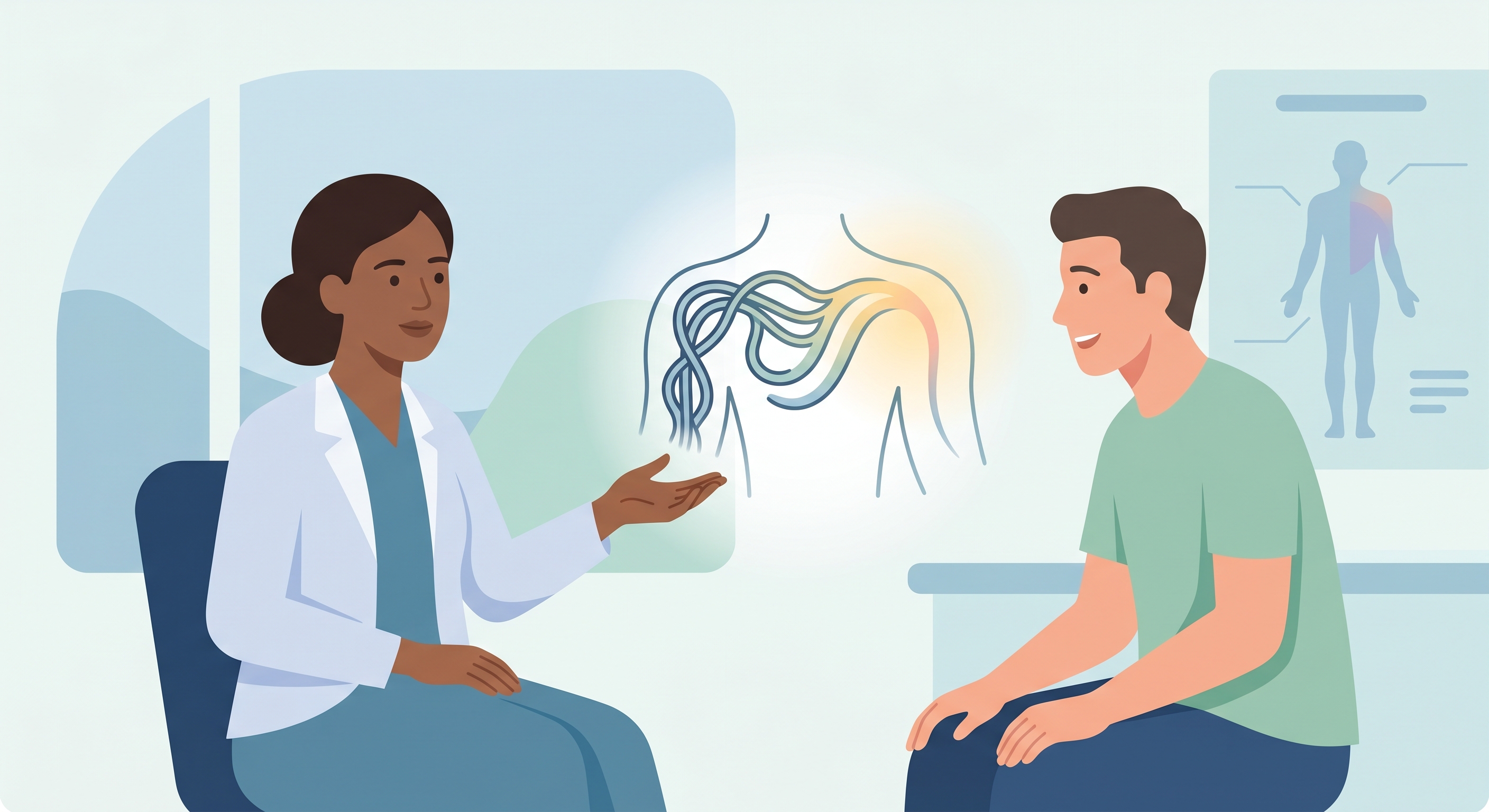
The dorsal scapular nerve (DSN) is a nerve that branches off in your neck (from the C5 spinal nerve root, sometimes C6). It travels down your back to control the muscles that help move and stabilize your shoulder blade (scapula), specifically the rhomboid muscles (major and minor) and the levator scapulae muscle. These muscles help you pull your shoulder blades together and lift them.
Q2: What is dorsal scapular nerve entrapment?
Dorsal scapular nerve entrapment occurs when this nerve gets "pinched" or irritated along its path. This often happens as it passes through the middle scalene muscle in your neck or among the muscles in your upper back, causing pain and sometimes weakness.
Q3: What causes dorsal scapular nerve entrapment?
Entrapment can be caused by various factors, including:
- Muscle tightness or hypertrophy: Overly tight or enlarged muscles (like the middle scalene) can squeeze the nerve. This is sometimes seen in athletes or people who do heavy overhead lifting.
- Repetitive strain: Activities involving repetitive arm or shoulder movements (e.g., using a computer, certain sports) can contribute.
- Poor posture: Slouching or improper posture can put extra strain on the neck and shoulder area.
- Trauma: Injuries to the neck or shoulder can sometimes lead to nerve irritation.
- Anatomical variations: In some people, the nerve's path through the muscles can make it more prone to compression.
Q4: What are the common symptoms of dorsal scapular nerve entrapment?
The most common symptom is a dull, aching, sharp, burning, or knife-like pain along the inner edge of your shoulder blade (medial border of the scapula). You might also experience:
- Pain between your shoulder blades (interscapular pain).
- Pain in your shoulder and/or arm.
- Weakness in arm movements, especially those involving pulling or lifting.
- A feeling of "traction" or pulling in the shoulder.
- Sometimes, visible "winging" of the shoulder blade (scapula sticking out) if the rhomboid muscles are significantly weak.
- Muscle atrophy (wasting) in the rhomboid or levator scapulae muscles in chronic cases.
Q5: How is dorsal scapular nerve entrapment diagnosed?
Diagnosing DSN entrapment involves:
- Medical history: Your doctor will ask about your symptoms and activities.
- Physical examination: The doctor will assess your range of motion, muscle strength, posture, and check for tenderness around the nerve's path. They may look for subtle scapular winging.
- Imaging studies: While X-rays don't show nerves, an MRI or ultrasound can help visualize the nerve and surrounding structures, or rule out other causes of pain.
- Nerve conduction studies/EMG: These tests measure how well your nerves send electrical signals to your muscles, which can help confirm nerve compression and its severity.
- Diagnostic injection: Injecting a numbing medicine (like lidocaine) near the nerve under ultrasound guidance can help confirm the diagnosis if your pain temporarily goes away.
Q6: What are the non-surgical treatment options?
Most cases of DSN entrapment are treated without surgery. Common non-surgical approaches include:
- Rest and activity modification: Avoiding activities that worsen your pain.
- Physical therapy: This is often the cornerstone of treatment. A physical therapist will guide you through exercises to:
- Improve posture.
- Strengthen the muscles around your shoulder blade and core.
- Stretch tight muscles (e.g., neck and chest muscles).
- Perform nerve gliding exercises to help the nerve move freely.
- Medications: Over-the-counter pain relievers (like NSAIDs), muscle relaxants, or prescription pain medications may be used to manage pain and inflammation.
- Injections:
- Nerve blocks: Injections of local anesthetic and sometimes corticosteroids around the nerve can reduce pain and inflammation.
- Hydrodissection: A newer technique where fluid (like saline, anesthetic, and sometimes dextrose) is injected around the nerve under ultrasound guidance to free it from surrounding tissues.
- Manual therapy: Techniques like massage, trigger point release, and chiropractic care may help alleviate muscle tension.
- Heat or cold therapy: Applying heat or ice to the affected area can help manage pain and muscle spasms.
Q7: When is surgery considered for dorsal scapular nerve entrapment?
Surgery is usually considered only after non-surgical treatments have been tried for a significant period (typically several months) and have not provided sufficient relief. It may also be considered if there is clear evidence of significant nerve compression leading to progressive muscle weakness or atrophy.
Q8: What does the surgical procedure involve?
If surgery is recommended, the goal is to relieve pressure on the dorsal scapular nerve. This usually involves a procedure called "nerve decompression" or "neurolysis." The surgeon carefully releases the nerve from any tight muscles, fibrous bands, or other structures that are compressing it. This can sometimes be done using minimally invasive techniques.
Q9: What are the potential risks of surgery?
Like any surgery, there are risks, though complications are rare. These can include:
- Infection
- Bleeding
- Damage to the nerve or surrounding tissues
- Adverse reaction to anesthesia
- Persistent pain or incomplete relief
- Scar tissue formation
Q10: What do I need to do before treatment/surgery?
- Follow your doctor's instructions: This may include stopping certain medications (like blood thinners), fasting before surgery, or specific preparation for injections.
- Physical therapy: If recommended, starting physical therapy before surgery can help strengthen muscles and improve your overall condition, potentially aiding recovery.
- Ask questions: Make sure you understand the procedure, potential risks, and recovery plan.
Q11: What can I expect immediately after treatment/surgery?
- Pain management: You will be given medication to help manage pain.
- Rest: You'll likely need to rest the affected arm and shoulder.
- Sling: If you had surgery, you might be in a sling for a short period for comfort and protection.
- Early movement: Your doctor or physical therapist will guide you on gentle movements to start soon after the procedure, as pain allows.
Q12: How long is the typical recovery period? What does rehabilitation/physical therapy involve?
Recovery time varies depending on the severity of your condition and the type of treatment.
- Non-surgical: Improvement can often be seen within weeks to a few months with consistent physical therapy.
- Surgical: Full recovery can take several months. Rehabilitation is crucial for both non-surgical and surgical cases. Physical therapy will focus on:
- Pain and swelling control.
- Restoring range of motion in your neck and shoulder.
- Strengthening the muscles that stabilize your shoulder blade and improve posture.
- Nerve gliding exercises to promote nerve health.
- Education on proper body mechanics and activity modification to prevent recurrence.
Q13: What can I do at home to help my recovery?
- Follow your physical therapy exercises: Consistency is key.
- Manage pain: Use prescribed medications or over-the-counter options as directed. Apply ice or heat as advised.
- Maintain good posture: Be mindful of your posture during daily activities, especially when sitting or working at a desk.
- Take breaks: If your work involves repetitive motions or prolonged sitting, take frequent breaks to stretch and move.
- Listen to your body: Avoid activities that cause pain or discomfort.
- Healthy lifestyle: A balanced diet, regular light exercise (as tolerated), and stress management can support overall healing.
Q14: When can I expect to return to daily activities, work, driving, and sports?
This depends on your individual recovery and the demands of the activity:
- Daily activities: Light daily activities can often be resumed within a few days to weeks after non-surgical treatment or early in surgical recovery.
- Driving: Typically, when you can safely operate the vehicle without pain or limitations, and are no longer taking strong pain medications that impair driving.
- Work: Return to work varies greatly depending on the physical demands of your job. Light office work might be possible sooner, while physically demanding jobs will require longer recovery.
- Sports/heavy lifting: Gradual return to sports and heavy lifting will be guided by your physical therapist and doctor, often taking several months to ensure proper healing and strength. Always progress slowly to avoid re-injury.
Q15: What signs or symptoms should I watch out for and report to my doctor immediately?
Contact your doctor immediately if you experience any of the following:
- Sudden increase in pain that is not controlled by medication.
- New or worsening weakness, numbness, or tingling in your arm or hand.
- Signs of infection (fever, redness, swelling, warmth, or pus at an incision site if applicable).
- Any unexpected or concerning changes in your condition.
We encourage you to write down any specific questions you have and discuss them thoroughly with your surgeon, doctor, or physical therapist. They are your best resource for personalized advice and care.
Disclaimer: This brochure provides general information and is not a substitute for professional medical advice. Always consult your doctor or qualified healthcare provider with any questions you may have regarding your specific medical condition and treatment plan.

Related articles
Browse all articlesTrusted External Resources
Curated educational materials to help you make informed decisions about your orthopaedic bone & joint conditions.

Orthopaedia

Orthogate Patient Education