Barbotage for Calcific Tendinitis of the Shoulder
Get Clear, Concise Answers to Your Top Questions About Barbotage for Calcific Tendinitis of the Shoulder
Q1. What is calcific tendinitis of the shoulder?
Calcific tendinitis is a condition where calcium deposits build up inside the tendons of your rotator cuff (the group of muscles and tendons that keep your shoulder joint in place). These deposits are often compared to toothpaste in consistency. Over time, they can cause significant inflammation, swelling, and severe shoulder pain, making it difficult to raise your arm or sleep comfortably.
Q2. What is barbotage (shoulder lavage and aspiration)?
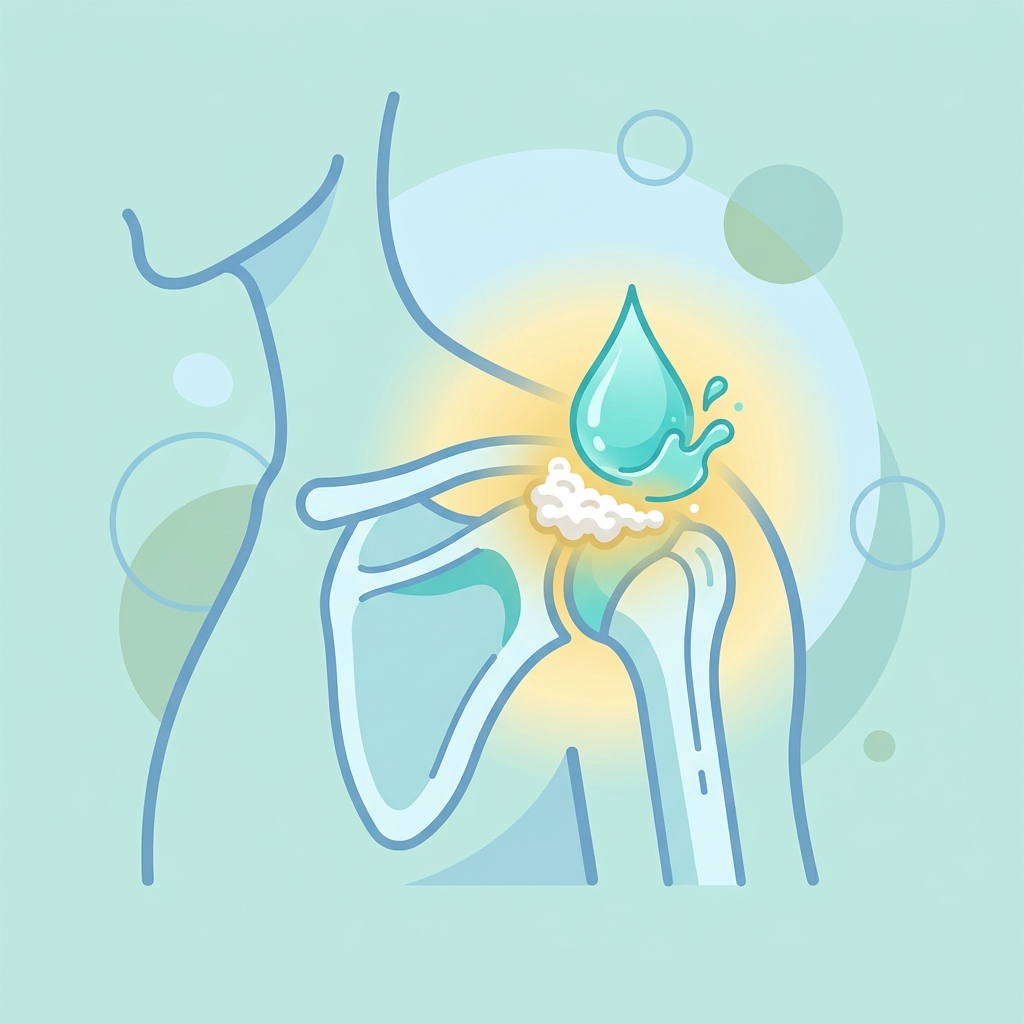
Barbotage, also known as ultrasound-guided shoulder lavage and aspiration, is a minimally invasive, non-surgical treatment. The word "barbotage" comes from a French word meaning to dabble or splash. During this procedure, a doctor uses ultrasound imaging to locate the calcium deposits, injects a saline (saltwater) solution to wash out the calcium, and then sucks the dissolved calcium back out through a needle.
Q3. How does barbotage treat calcific tendinitis?
Barbotage treats calcific tendinitis by directly targeting and breaking up the troublesome calcium buildup. Here is how it works:
- Imaging: Ultrasound allows the doctor to see the exact location of the calcium deposit in real time.
- Softening: A saltwater (saline) solution is repeatedly injected into the deposit to soften and dissolve the calcium.
- Removal: The doctor suctions (lavages and aspirates) the liquid calcium out of the tendon.
- Relief: A steroid and local anesthetic injection is usually given at the end of the procedure to reduce inflammation and relieve pain.
Q4. Who is a good candidate for a shoulder barbotage procedure?
You may be a good candidate for barbotage if:
- You have been diagnosed with calcific tendinitis via an X-ray or ultrasound.
- Your shoulder pain has not improved with rest, physical therapy, or oral anti-inflammatory medications.
- The calcium deposits are in the "resorptive phase" or are soft enough to be broken down and suctioned out.
- You want to avoid surgery and prefer a minimally invasive, outpatient treatment.
Q5. How is the barbotage procedure performed?
The procedure is performed in an outpatient clinic or imaging department and typically takes about 30 to 45 minutes. The steps include:
- You will sit or lie down in a comfortable position, exposing your shoulder.
- The skin over your shoulder is cleaned with an antiseptic solution.
- The doctor applies ultrasound gel and uses a probe to locate the calcium deposit on a screen.
- Local anesthetic (numbing medicine) is injected into the skin and surrounding tissues.
- One or two thin needles are guided into the calcium deposit using the ultrasound image.
- Saline is flushed in and out to break up and wash away the calcium.
- Once as much calcium as possible is removed, a steroid is injected to help with healing and swelling.
Q6. Is shoulder barbotage painful? What type of anesthesia is used?
The procedure is designed to be as comfortable as possible. A local anesthetic is used to numb the skin and the deep tissues around the rotator cuff tendon. You will remain awake and alert. You might feel a sensation of pressure or mild aching as the needle enters the tendon or when the saline is flushed, but severe pain is uncommon. If you feel sharp pain, let the doctor know so they can apply more numbing medication.
Q7. How should I prepare for my barbotage procedure?
Preparation is simple and straightforward:
- Inform your doctor about all medications you take, especially blood thinners or aspirin. You may need to stop taking these temporarily.
- Wear comfortable, loose-fitting clothing, preferably a button-down or loose t-shirt that is easy to remove or adjust.
- Arrange for someone to drive you home after the procedure, as your shoulder may feel numb or weak.
- You do not need to fast (avoid eating) before the procedure unless specifically instructed by your medical team.
Q8. What should I expect immediately after the procedure?
Immediately after barbotage, your shoulder will likely feel numb and relatively pain-free due to the local anesthetic. As this wears off over the next few hours, you may experience a temporary increase in soreness or ache. This is normal and is often caused by the irritation of flushing the calcium. Your doctor will provide instructions on using ice packs and taking over-the-counter pain relievers to manage this initial discomfort.
Q9. What is the recovery time after shoulder barbotage?
The recovery is relatively quick compared to surgery:
- First 24–48 hours: Expect some soreness. Rest your arm and use ice packs for 15-20 minutes at a time.
- First week: Mild pain may persist, but you should gradually start feeling better as the steroid injection takes effect.
- 2–6 weeks: Most patients experience significant pain relief and improved shoulder motion. Complete healing of the tendon takes several weeks.
Q10. Are there any restrictions on activity or work after the procedure?
Yes, you should temporarily limit certain activities to allow the tendon to heal:
- Avoid heavy lifting, pushing, pulling, or overhead activities with the treated arm for at least 1 to 2 weeks.
- You can perform light daily activities (like eating, typing, or dressing) as tolerated.
- Depending on your job, you may need to take a few days off or request light duties, especially if your work involves physical labor or overhead lifting.
Q11. How successful is barbotage for treating calcific tendinitis?
Barbotage is highly successful, with studies showing that 70% to 80% of patients experience significant pain relief and improved shoulder function. Many patients avoid the need for surgery altogether. Success rates are highest when the calcium deposits are well-localized and when patients follow their post-procedure rehabilitation guidelines.
Q12. What are the potential risks, side effects, or complications?
Barbotage is a safe procedure, but like any medical intervention, it carries some minor risks:
- Temporary pain flare-up: Increased pain or inflammation for a few days after the procedure.
- Infection: A very small risk of introducing bacteria into the joint (less than 1 in 1,000 cases).
- Bleeding or bruising: Minor bruising at the needle injection site.
- Tendon irritation: In rare cases, the tendon may remain irritated or weak for a short period.
- Incomplete calcium removal: Some calcium deposits may be too hard to remove completely, which might limit pain relief.
Q13. Will I need physical therapy after a barbotage procedure?
Yes, physical therapy is an important part of your recovery. Once the initial soreness subsides (usually within a week), your doctor will recommend starting a gentle exercise program. A physical therapist will guide you through stretches to restore your shoulder's range of motion and exercises to strengthen your rotator cuff muscles. This helps prevent stiffness (frozen shoulder) and ensures long-term joint health.
Q14. What happens if barbotage does not relieve my shoulder pain?
If the barbotage procedure does not provide sufficient relief, or if your symptoms return, you have other options. Your doctor may recommend repeating the procedure if some calcium remains, or they may discuss surgical options. Surgery, typically performed arthroscopically (using small incisions and a camera), can be used to clean out the remaining calcium deposits and repair any associated damage to the rotator cuff tendon.
Q15. How does barbotage compare to surgery or other non-surgical options?
Barbotage is often considered the preferred next step when simple treatments fail:
- Compared to basic treatments (rest, medication): Barbotage physically removes the cause of the pain (calcium), whereas rest and pills only mask the symptoms.
- Compared to standard steroid injections: While a standard injection reduces inflammation, it doesn't remove the calcium, meaning pain is more likely to return.
- Compared to surgery: Barbotage has a much shorter recovery time, requires no general anesthesia, has fewer risks, does not involve surgical incisions, and is significantly less expensive.
We encourage you to write down any specific questions you have and discuss them thoroughly with your surgeon, doctor, or physical therapist. They are your best resource for personalized advice and care.
Disclaimer: This brochure provides general information and is not a substitute for professional medical advice. Always consult your doctor or qualified healthcare provider with any questions you may have regarding your specific medical condition and treatment plan.

Related articles
Browse all articlesTrusted External Resources
Curated educational materials to help you make informed decisions about your orthopaedic bone & joint conditions.
Orthopaedia
Orthogate Patient Education